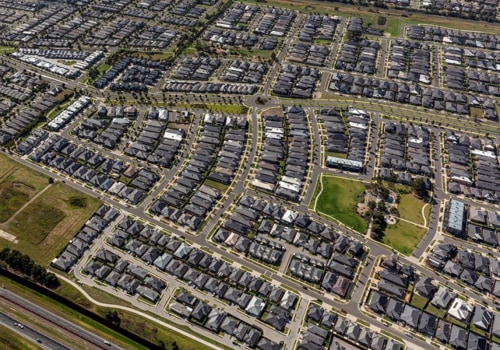
The Australian housing market is currently navigating a complex landscape characterized by fluctuating prices, rising interest rates, and shifting buyer sentiment. As potential homeowners consider buying a house, understanding the current dynamics of this market is crucial. Recent trends indicate that while house prices have seen significant growth over the past few years, there are signs that this growth may be slowing down. The Reserve Bank of Australia (RBA) has implemented measures to combat inflation, which has led to increased borrowing costs and a subsequent decline in housing demand.In cities like Sydney and Melbourne, where property values soared during the pandemic, the reality of affordability is becoming increasingly pressing.
For many prospective buyers, the dream of homeownership feels more like a distant aspiration as prices remain elevated—often more than 20% above pre-COVID levels. This situation raises critical questions about the sustainability of current price levels and whether a correction is on the horizon. With many experts suggesting that Australian homes are overvalued by as much as 40%, the potential for a significant drop in prices could reshape the market landscape.Moreover, the implications of these trends extend beyond mere numbers; they affect the very fabric of society. High housing costs can lead to increased financial strain on families and individuals, making it difficult for them to save for their future or invest in other areas of their lives.
As we delve deeper into this article, we will explore not only the current state of Australian house prices but also what it means for those looking to enter the market. Understanding these factors is essential for anyone considering buying a house in Australia today.
Factors Influencing House Prices in Australia
Understanding the dynamics of the Australian housing market requires a deep dive into the various factors that influence house prices. These factors are intertwined with the broader economic landscape, including interest rates, inflation, and overall economic growth.Interest Rates
One of the most significant determinants of house prices in Australia is the level of interest rates set by the Reserve Bank of Australia (RBA). When interest rates are low, borrowing becomes cheaper, encouraging more people to take out mortgages.
This increased demand can drive up house prices as buyers compete for limited properties. Conversely, when the RBA raises interest rates to combat inflation, borrowing costs rise, which can dampen demand and lead to a cooling of house prices.
Inflation
Inflation plays a critical role in shaping the housing market. As the cost of living increases, so do wages and property values. However, if inflation rises too quickly, it can erode purchasing power and lead to a decrease in consumer confidence.
This scenario often results in potential buyers hesitating to enter the market, which can subsequently lead to a decline in house prices. The current inflationary pressures in Australia have made it increasingly challenging for first-time buyers to enter the market.
Economic Growth
The overall health of the Australian economy also significantly impacts house prices. A robust economy typically leads to higher employment rates and increased disposable income, which can boost demand for housing. In contrast, economic downturns or recessions can result in job losses and reduced consumer spending, leading to lower demand for homes and potentially falling prices.
Supply and Demand Dynamics
In addition to these macroeconomic factors, local supply and demand dynamics play a crucial role in determining house prices.
Areas with limited housing supply due to geographical constraints or zoning laws may see prices rise sharply as demand outstrips availability. On the other hand, regions with an oversupply of housing may experience stagnant or declining prices.In summary, the interplay between interest rates, inflation, economic growth, and local supply-demand dynamics creates a complex environment that influences house prices across Australia. Understanding these factors is essential for anyone considering buying a house in this evolving market.
The Role of the Reserve Bank of Australia (RBA)
The Reserve Bank of Australia (RBA) plays a pivotal role in shaping the economic landscape of the country, particularly when it comes to housing prices and affordability. As the central bank, the RBA is responsible for implementing monetary policy, which includes setting interest rates that directly influence borrowing costs for consumers and businesses alike.In recent years, the RBA has adopted a strategy of adjusting interest rates in response to rising inflation.This approach aims to stabilize the economy by controlling spending and investment. When the RBA raises interest rates, it becomes more expensive for individuals to borrow money, which can lead to a decrease in demand for housing. Consequently, as fewer people are able or willing to take out mortgages, housing prices may begin to decline.Conversely, when the RBA lowers interest rates, borrowing becomes cheaper, potentially stimulating demand for housing. This can lead to increased competition among buyers, driving prices up.
The delicate balance that the RBA must maintain is crucial; too much stimulation can lead to a housing bubble, while excessive tightening can stifle economic growth.One of the significant challenges facing the RBA is the current state of housing affordability. With house prices soaring in major cities like Sydney and Melbourne, many prospective buyers find themselves priced out of the market. The RBA's policies are designed not only to control inflation but also to address these affordability issues. For instance, if house prices continue to rise unchecked, it could exacerbate social inequality and limit homeownership opportunities for younger generations.Moreover, the RBA closely monitors various economic indicators, including wage growth and employment rates, to inform its policy decisions.
If wages do not keep pace with rising housing costs, the RBA may need to consider more aggressive measures to cool down the market. This could involve further interest rate hikes or implementing macroprudential policies aimed at curbing excessive lending practices.In summary, the RBA's monetary policies are instrumental in shaping the dynamics of the Australian housing market. By adjusting interest rates and monitoring economic conditions, the RBA seeks to strike a balance between fostering economic growth and ensuring that housing remains accessible for all Australians.
Historical Trends in Australian House Prices
The history of house prices in Australia is marked by significant fluctuations influenced by various economic, social, and political factors. Understanding these historical trends is crucial for prospective buyers who are navigating the current housing market.In the late 20th century, particularly during the 1980s and 1990s, Australia experienced a substantial increase in house prices.This period was characterized by economic reforms and a surge in immigration, which contributed to heightened demand for housing. The introduction of policies aimed at deregulating the financial sector also made borrowing easier, leading to increased home ownership rates.However, the early 2000s brought about a shift. The housing market began to show signs of overheating, with prices rising sharply in major cities like Sydney and Melbourne. By 2003, the average house price in Sydney had skyrocketed to over $500,000, prompting concerns about affordability and sustainability.Following this peak, the market entered a correction phase around 2008 due to the global financial crisis.
House prices fell significantly as lending tightened and consumer confidence waned. This downturn lasted several years, with many regions experiencing price declines of up to 10% or more.As the economy recovered in the early 2010s, so did the housing market. Low interest rates and government incentives for first-time buyers spurred a new wave of demand. By 2015, house prices had rebounded dramatically, reaching new highs.
In fact, Sydney's median house price surpassed $1 million for the first time during this period.More recently, from 2020 onwards, the Australian housing market has faced unprecedented challenges due to the COVID-19 pandemic. Initially, there were fears of a significant downturn; however, government stimulus measures and low interest rates led to a surprising surge in demand. This resulted in rapid price increases across many regions.Today, as we analyze historical trends in Australian house prices, it becomes evident that while fluctuations are common, certain patterns emerge. The interplay between economic conditions, government policies, and demographic shifts continues to shape the landscape of the housing market.
For those buying a house, understanding these historical trends can provide valuable insights into potential future movements in property values.
The Impact of Economic Conditions on Housing Affordability
The relationship between economic conditions and housing affordability is complex and multifaceted. As potential buyers navigate the housing market, they must consider various economic factors that can significantly influence their ability to purchase a home.One of the primary economic indicators affecting housing affordability is income levels. When wages stagnate or grow at a slower pace than housing prices, the gap between what individuals earn and what they need to spend on housing widens. This disparity can lead to increased financial strain on households, making it challenging for many to enter the property market.For instance, if the average income rises by 2% while house prices increase by 5%, potential buyers find themselves in a precarious position where their purchasing power diminishes.Additionally, the cost of living plays a crucial role in determining how much individuals can allocate towards housing. Rising costs in essential areas such as food, transportation, and healthcare can leave less disposable income for potential homebuyers. As these living expenses increase, many individuals may prioritize immediate needs over long-term investments like purchasing a home.Moreover, broader economic conditions such as inflation and interest rates directly impact housing affordability. For example, when inflation rises, the cost of borrowing typically increases as well.
Higher interest rates mean that monthly mortgage payments become more expensive, further straining household budgets. This situation can lead to a decrease in demand for homes, as potential buyers may delay their purchases or opt for less expensive properties.In contrast, during periods of economic growth and low-interest rates, housing becomes more accessible. Increased consumer confidence often leads to higher demand for homes, which can drive prices up. However, if wages do not keep pace with these rising prices, the cycle of unaffordability continues.Ultimately, understanding the interplay between economic conditions and housing affordability is essential for prospective buyers.
By staying informed about income trends, living costs, and broader economic indicators, individuals can make more informed decisions about when and how to enter the housing market.
Are We in a Housing Bubble? Analyzing Current Valuations
The question of whether Australia is currently in a housing bubble is a pressing concern for many potential homebuyers and investors alike. A housing bubble typically occurs when property prices rise rapidly to levels that are unsustainable, often driven by speculation rather than fundamental economic factors. In Australia, several indicators suggest that we may be experiencing such a phenomenon.One of the primary signs of a housing bubble is the significant disparity between property prices and average incomes. Recent studies indicate that Australian homes are overvalued by approximately 40%, which raises alarms about the sustainability of current price levels.This overvaluation is particularly evident in major cities like Sydney and Melbourne, where home prices have surged dramatically compared to pre-COVID levels.Another critical factor to consider is the rising cost of borrowing. As the Reserve Bank of Australia (RBA) continues to increase interest rates to combat inflation, the cost of mortgages has also escalated. This situation has led to a decrease in housing demand, as many prospective buyers find themselves priced out of the market. The combination of high prices and increased borrowing costs creates a precarious situation for both buyers and investors.Furthermore, the phenomenon of excessive lending in the residential sector can exacerbate the risk of a market correction.
When banks allocate more resources to mortgage lending at the expense of commercial loans, it can lead to an overheated market. This trend has been observed in Australia, where lending practices have become increasingly aggressive in recent years.To better understand whether we are indeed in a housing bubble, it is essential to analyze various market correction signs:
- Price Growth Rate: A rapid increase in property prices often signals an unsustainable market.
- Inventory Levels: An increase in unsold properties can indicate weakening demand.
- Affordability Index: A declining affordability index suggests that homes are becoming less accessible to average buyers.
- Investor Activity: A surge in speculative buying can inflate prices beyond reasonable valuations.
Future Predictions: Will House Prices Drop?
As we look ahead, the question on many potential homebuyers' minds is whether Australian house prices will experience a significant drop. Various factors contribute to the current market dynamics, and understanding these can help buyers make informed decisions.Recent trends indicate that house prices in Australia are under pressure due to a combination of rising interest rates and inflation.The Reserve Bank of Australia (RBA) has been actively adjusting monetary policy to combat inflation, which has led to increased borrowing costs. This situation has resulted in a cooling housing market, particularly in major cities like Sydney and Melbourne.Experts predict that while a drastic drop in prices may not be imminent, a gradual decline is likely. According to analysts, the current market is overvalued by approximately 40%, suggesting that a correction is necessary for long-term stability. Potential homebuyers should be aware that while prices may not plummet overnight, the trend towards affordability is becoming increasingly critical.In addition to economic factors, demographic shifts also play a role in shaping the housing market.
High immigration rates have led to increased demand for housing in urban areas, further straining supply and keeping prices elevated. However, as affordability issues mount, there may be a shift in buyer sentiment, leading to decreased demand and potentially lower prices.For those considering buying a house, it’s essential to stay informed about market forecasts. Here are some key points to consider:
- Monitor Interest Rates: Keep an eye on RBA announcements regarding interest rates, as changes can significantly impact borrowing costs.
- Assess Your Financial Situation: Ensure you have a clear understanding of your budget and what you can afford in the current market.
- Be Patient: If you’re not in a rush to buy, waiting for more favorable conditions could lead to better opportunities.
- Consult Experts: Engage with real estate professionals who can provide insights tailored to your specific needs and local market conditions.
Strategies for Buying a House in a Volatile Market
In a fluctuating housing market, potential homebuyers must adopt strategic approaches to navigate the complexities of buying a house.With prices rising and falling unpredictably, understanding the landscape is crucial for making informed decisions.
1.Conduct Thorough Market Research
- Stay updated on local market trends by following real estate news, reports, and statistics. Understanding the dynamics of your target area can help you identify when prices are more favorable.
- Utilize online tools and platforms that provide insights into property values, neighborhood statistics, and historical price trends.
2.Get Pre-Approved for a Mortgage
- Before you start house hunting, secure a mortgage pre-approval. This not only gives you a clear idea of your budget but also strengthens your position when making an offer.
- Shop around for the best mortgage rates and terms, as even small differences can significantly impact your overall costs.
3.Be Flexible with Your Criteria
- In a volatile market, being open to adjusting your wish list can lead to better opportunities. Consider properties that may need minor renovations or are located in up-and-coming neighborhoods.
- Expand your search radius to include areas that may offer better value for money while still meeting your lifestyle needs.
4.Work with Experienced Professionals
- Engage a knowledgeable real estate agent who understands the local market and can provide valuable insights and guidance throughout the buying process.
- A skilled agent can help you negotiate effectively and identify properties that align with your goals.
5.Consider Timing Your Purchase
- Monitor seasonal trends in the housing market.
Typically, spring and summer see more listings but also higher competition, while fall and winter may offer better deals due to reduced buyer activity.
- If possible, wait for signs of stabilization in the market before making a purchase to avoid overpaying during peak price fluctuations.
6.Prepare for Negotiation
- In a volatile market, sellers may be more willing to negotiate on price or terms. Be prepared to make reasonable offers based on comparable sales data and current market conditions.
- Consider including contingencies in your offer that protect you from potential future price drops or issues with the property.
Frequently Asked Questions About Australian House Prices
As potential homebuyers navigate the complexities of the Australian housing market, several common questions arise regarding house prices and market trends. Here, we address some of the most frequently asked questions to provide clarity and insight for those considering buying a house in Australia.1.Are Australian house prices expected to drop in the near future?
Many analysts predict that Australian house prices may experience a decline due to various economic factors, including rising interest rates and inflation.The Reserve Bank of Australia (RBA) has been actively adjusting monetary policy to combat inflation, which could lead to decreased demand for housing. However, the extent of any price drop remains uncertain and will depend on broader economic conditions.
2.What factors influence house prices in Australia?
- Interest Rates: Higher interest rates can lead to increased borrowing costs, reducing buyer demand.
- Supply and Demand: A limited supply of homes in desirable areas can keep prices elevated, even during economic downturns.
- Economic Growth: Strong economic performance can boost buyer confidence and increase demand for housing.
- Government Policies: Initiatives such as first-home buyer grants or changes in taxation can significantly impact the housing market.
3.How does the current housing market compare to previous years?
The current housing market in Australia has seen significant fluctuations compared to previous years. Following a period of rapid growth, many regions are now experiencing stabilization or slight declines in prices. For instance, while some cities like Sydney have seen prices remain high, others are beginning to reflect more affordable trends.4.What should first-time homebuyers consider?
First-time homebuyers should take several factors into account:- Budget: Assess your financial situation and determine how much you can afford without overstretching your finances.
- Location: Research different areas to find neighborhoods that fit your lifestyle and budget.
- Market Trends: Stay informed about local market conditions and price trends to make an educated decision.
Conclusion: Key Takeaways for Prospective Homebuyers
As we reflect on the current state of the Australian housing market, several key insights emerge for those contemplating buying a house.The landscape is undeniably complex, influenced by a myriad of factors including economic conditions, interest rates, and demographic trends.
1.Understanding Market Dynamics:
The Australian housing market has shown signs of both resilience and vulnerability. While some regions, like Melbourne, have experienced slight declines in home values, others, particularly Sydney, remain significantly above pre-COVID levels. This disparity highlights the importance of understanding local market dynamics when considering a purchase.
2.The Impact of Interest Rates:
With the Reserve Bank of Australia actively adjusting interest rates to combat inflation, prospective buyers must be acutely aware of how these changes affect borrowing costs. Higher interest rates can lead to increased monthly payments, which may deter some buyers from entering the market.
3.Affordability Challenges:
The issue of housing affordability continues to loom large.
Reports indicate that average home prices in capital cities are now equivalent to more than seven years of average earnings. This stark reality underscores the necessity for buyers to assess their financial readiness and explore various financing options.
4.Potential for Price Corrections:
Many economists suggest that a significant correction in house prices may be necessary to restore balance in the market. While this could present opportunities for buyers, it also carries risks, particularly for those who may be purchasing at inflated prices.
5.Long-Term Considerations:
For those looking to invest in property, it’s crucial to adopt a long-term perspective. Real estate is typically a stable investment over time, but short-term fluctuations can create uncertainty.
Buyers should consider their personal circumstances and long-term goals when making decisions.In conclusion, while the future of Australian house prices remains uncertain, prospective homebuyers must equip themselves with knowledge and insights to navigate this challenging landscape effectively. By understanding market trends, evaluating financial implications, and considering long-term objectives, buyers can make informed decisions that align with their aspirations in the ever-evolving housing market.