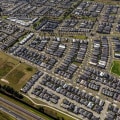
The Austrian housing market has long been a focal point for both local and international investors, characterized by its resilience and growth potential. As we delve into the current state of this market, it becomes increasingly important for potential buyers to grasp the underlying dynamics that influence housing prices. With property values soaring in major cities like Sydney and Melbourne, many are left questioning whether buying a house in Australia is a sound investment or an overpriced venture.In recent years, the Australian housing market has experienced significant fluctuations, driven by a combination of factors including government policies, interest rates, and demographic shifts. The rapid increase in property prices has made homeownership a distant dream for many Australians, particularly first-time buyers.
Understanding these market trends is crucial for anyone considering entering the real estate landscape, as it can help inform decisions and strategies for navigating this complex environment.Moreover, the ongoing debate surrounding housing affordability highlights the challenges faced by potential homeowners. With average property prices now exceeding 30-40% above global averages, the question arises: is this sustainable? As we explore the intricacies of the Australian housing market, we will examine not only the current pricing trends but also the broader economic implications that affect buying a house. This exploration will provide valuable insights for prospective buyers looking to make informed decisions in an increasingly competitive market.
Current Trends in Australian Housing Prices
The Australian housing market has experienced significant fluctuations in recent years, reflecting a complex interplay of economic factors, demographic shifts, and government policies. Understanding the current trends in housing prices is essential for anyone considering buying a house in Australia.As of late 2023, the median house price across major Australian cities has shown a mixed trajectory.For instance, Sydney and Melbourne continue to dominate the market with some of the highest property values in the country. According to recent data from CoreLogic, Sydney's median house price hovers around AUD 1.2 million, while Melbourne's stands at approximately AUD 1 million. These figures represent a slight decline from their peak values in 2021 but still indicate a robust market compared to historical averages.In contrast, cities like Brisbane and Adelaide have seen more pronounced growth in property values. Brisbane's median house price has surged by over 20% in the past year alone, driven by an influx of interstate migration and a growing demand for housing.
This trend highlights a shift in buyer preferences as more Australians seek lifestyle changes post-pandemic.Several factors contribute to these evolving property value trends:
- Interest Rates: The Reserve Bank of Australia (RBA) has maintained relatively low interest rates to stimulate economic recovery. However, any future increases could dampen buyer enthusiasm and slow down price growth.
- Supply Chain Issues: The construction sector continues to face challenges related to labor shortages and material costs, which have hindered the supply of new homes. This undersupply exacerbates competition among buyers, keeping prices elevated.
- Government Policies: Initiatives such as first-home buyer grants and incentives for new builds have influenced market dynamics, making it easier for some buyers to enter the market while also contributing to rising prices.
For potential homebuyers, staying informed about these trends is crucial for making sound investment decisions in an increasingly competitive market.
Factors Influencing Housing Prices in Australia
The Australian housing market is influenced by a myriad of factors that intertwine to shape property prices. Understanding these elements is crucial for anyone considering buying a house in Australia.Economic Conditions
The overall economic climate plays a significant role in determining housing prices. Key indicators such as GDP growth, employment rates, and inflation directly impact consumer confidence and purchasing power. When the economy is thriving, individuals are more likely to invest in real estate, driving up demand and consequently, prices.
Conversely, during economic downturns, potential buyers may hesitate, leading to a decrease in demand and a potential stabilization or drop in prices.
Government Policies
Government interventions can significantly affect the housing market. Policies related to taxation, interest rates, and housing supply directly influence affordability. For instance, negative gearing allows investors to deduct losses on rental properties from their taxable income, which can encourage investment but also inflate property prices. Additionally, first-time homebuyer grants and incentives can stimulate demand by making it easier for individuals to enter the market.Moreover, zoning laws and land-use regulations can restrict the supply of new housing developments.
In many urban areas, stringent regulations can limit the availability of land for new construction, exacerbating the undersupply issue and pushing prices higher.
Demographic Changes
Population growth and demographic shifts also play a pivotal role in shaping housing demand. Australia has experienced significant immigration over the years, contributing to an increasing population that requires housing. As more people move to urban centers for job opportunities and lifestyle preferences, the demand for housing in these areas intensifies. This influx can lead to increased competition for available properties, further driving up prices.In summary, the interplay of economic conditions, government policies, and demographic changes creates a complex landscape for the Australian housing market.
For potential buyers, understanding these factors is essential in making informed decisions about buying a house in this dynamic environment.
The Impact of Interest Rates on Housing Affordability
Interest rates play a pivotal role in shaping the landscape of housing affordability in Australia. The Reserve Bank of Australia (RBA) is responsible for setting the official cash rate, which directly influences mortgage rates offered by banks and financial institutions. When the RBA adjusts interest rates, it can have a cascading effect on the housing market, impacting both current homeowners and potential buyers.In recent years, the RBA has maintained relatively low interest rates to stimulate economic growth. While this has made borrowing more affordable for many, it has also contributed to rising property prices.Lower mortgage rates can encourage more buyers to enter the market, increasing demand for homes. This heightened demand often leads to bidding wars and inflated prices, making it even more challenging for first-time buyers to secure a property.Conversely, if the RBA decides to increase interest rates to combat inflation or stabilize the economy, the immediate effect is an increase in mortgage repayments for existing homeowners and potential buyers. Higher interest rates can lead to:
- Increased Monthly Payments: As mortgage rates rise, so do monthly repayments. This can strain household budgets and reduce disposable income.
- Decreased Borrowing Capacity: Lenders assess how much they are willing to lend based on borrowers' ability to repay loans.
Higher interest rates can lower the amount that banks are willing to lend, making it harder for buyers to afford their desired properties.
- Market Slowdown: As borrowing becomes more expensive, demand for housing may decrease. This could lead to a cooling of the housing market, potentially stabilizing or even reducing property prices over time.
Prospective buyers should stay informed about RBA announcements and economic indicators that could signal changes in interest rates, as these factors will significantly influence their purchasing power and overall experience in the housing market.
Government Policies and Their Effect on the Housing Market
The Australian housing market is significantly influenced by various government policies and regulations, which have shaped the landscape for both buyers and investors. Understanding these policies is crucial for anyone considering buying a house in Australia.One of the most notable policies affecting the housing market is negative gearing. This tax strategy allows property investors to deduct losses incurred from their rental properties against their taxable income. While this policy aims to encourage investment in residential properties, it has also been criticized for contributing to inflated property prices.By making it more attractive to invest in real estate, negative gearing can lead to increased demand, further driving up prices and making it more challenging for first-time buyers to enter the market.In addition to negative gearing, the Australian government has implemented various incentives for first-time homebuyers. Programs such as the First Home Owner Grant (FHOG) provide financial assistance to those looking to purchase their first home. These grants can help alleviate some of the financial burdens associated with buying a house, but they can also inadvertently contribute to rising prices. When more buyers enter the market with government-backed financial support, demand increases, which can lead to higher property values.Another critical aspect of government influence on the housing market is taxation policies.
The capital gains tax (CGT) applies when a property is sold for a profit, but exemptions exist for primary residences. This policy can encourage homeowners to hold onto their properties longer, reducing the supply of homes available for sale. As demand continues to outpace supply, prices are likely to rise, making it increasingly difficult for potential buyers.Furthermore, zoning laws and land-use regulations play a significant role in shaping the housing market. These regulations dictate where and how new developments can occur, impacting the availability of housing.
In many urban areas, strict zoning laws limit the construction of new homes, exacerbating the existing undersupply and driving up prices.In conclusion, government policies and regulations have a profound impact on the Australian housing market. While initiatives aimed at supporting buyers are essential, they must be balanced with measures that address supply issues and prevent excessive price inflation. For those considering buying a house, understanding these dynamics is vital for making informed decisions in an increasingly complex market.
Housing Supply and Demand Dynamics
The dynamics of supply and demand in the Australian housing market are critical to understanding the current state of housing affordability. A significant factor contributing to the rising prices is the chronic undersupply of housing, which has not kept pace with the increasing demand driven by various factors.One of the primary drivers of demand is Australia’s population growth.The country has experienced a steady influx of people, both from overseas and through natural growth. According to the Australian Bureau of Statistics, the population is projected to reach 30 million by 2030, which places immense pressure on the housing market. This growing population requires more homes, yet the supply has not been able to meet this escalating demand.Several issues contribute to this supply-demand imbalance:
- Regulatory Challenges: Stringent zoning laws and planning regulations can delay new housing developments. Local councils often face challenges in approving new projects, leading to a bottleneck in housing supply.
- Construction Costs: Rising costs of materials and labor have made it increasingly difficult for builders to deliver affordable housing.
The construction industry has been grappling with shortages, which further exacerbates the supply issue.
- Investment Trends: The Australian property market has long been viewed as a safe investment, attracting both domestic and foreign investors. This influx of investment can drive up prices, making it even harder for first-time buyers to enter the market.
Without significant changes in policy and investment in infrastructure, the affordability crisis is likely to persist, making it increasingly difficult for many Australians to achieve homeownership.
Comparative Analysis: Australia vs. Other Markets
The Australian housing market is often scrutinized in comparison to other global markets, particularly those in the United States and various European countries. Understanding these comparisons can provide valuable insights for potential buyers contemplating buying a house in Australia versus other regions.When we look at the United States , the housing market has experienced significant fluctuations over the years, particularly during the 2008 financial crisis. However, recent trends indicate a recovery, with prices stabilizing in many areas.In contrast, Australia has seen a more consistent upward trajectory in property prices, making it one of the most expensive markets globally. According to recent data, average home prices in major Australian cities like Sydney and Melbourne are approximately 30-40% higher than those in comparable US cities.One of the key factors contributing to this disparity is housing supply. The US has a more diverse range of housing options and a larger land mass available for development, which helps to keep prices relatively stable. In Australia, however, there is a chronic undersupply of housing due to strict zoning laws and limited land availability in urban areas.
This imbalance between supply and demand has led to soaring prices that many Australians find increasingly unaffordable.Furthermore, when comparing Australia to other global property markets, such as those in Canada and the UK , similar patterns emerge. Cities like Toronto and London also face high property prices driven by demand from both local and foreign investors. However, Australia's unique tax policies, such as negative gearing, further exacerbate the affordability crisis by incentivizing investment in residential properties over other sectors.In terms of affordability metrics, Australia ranks poorly on a global scale. The Demographia International Housing Affordability Survey consistently places Australian cities among the least affordable worldwide.
For instance, Sydney is often cited as the second least affordable city after Hong Kong, highlighting the challenges faced by first-time buyers.In conclusion, while the Australian housing market shares similarities with other global markets regarding rising prices and affordability issues, its unique characteristics—such as supply constraints and tax incentives—set it apart. For those considering buying a house, understanding these comparative dynamics is crucial for making informed decisions in an increasingly competitive landscape.
Challenges Faced by Homebuyers in Australia
In the current Australian housing market, potential homebuyers face a myriad of challenges that significantly hinder their ability to purchase a property. These challenges are not merely anecdotal; they are rooted in economic realities that have evolved over the years.One of the most pressing issues is the high deposit requirements. Traditionally, lenders have required a deposit of at least 20% of the property's value to avoid paying Lenders Mortgage Insurance (LMI).For many Australians, especially first-time buyers, accumulating such a substantial amount can be daunting. With the median house price in cities like Sydney and Melbourne soaring, a 20% deposit can easily exceed $100,000. This financial barrier often forces buyers to either delay their purchase or seek alternative financing options.Moreover, the stringent loan requirements imposed by banks and financial institutions further complicate the situation. In recent years, lenders have tightened their criteria for mortgage approvals, making it more challenging for individuals with less-than-perfect credit histories or those with irregular income streams to secure financing.
This has resulted in many potential buyers being left on the sidelines, unable to navigate the complex landscape of mortgage applications.Another significant factor contributing to the affordability crisis is the escalating property prices. Over the past two decades, property values in Australia have surged dramatically, outpacing wage growth and inflation. This disparity means that even households with stable incomes find it increasingly difficult to keep up with rising costs. The average Australian household now spends a larger portion of its income on housing than ever before, leading to financial strain and reduced disposable income for other essential expenses.Additionally, the chronic undersupply of housing exacerbates these challenges.
As Australia’s population continues to grow, the demand for housing has outstripped supply, particularly in urban areas. This imbalance has led to fierce competition among buyers, driving prices even higher and making it nearly impossible for many to enter the market.In summary, the combination of high deposit requirements, stringent loan criteria, escalating property prices, and a lack of available housing creates a perfect storm for homebuyers in Australia. Addressing these issues will require concerted efforts from policymakers and industry stakeholders to ensure that homeownership remains an attainable goal for future generations.
Future Outlook for the Australian Housing Market
As we look ahead, the future of the Australian housing market is poised to be influenced by a myriad of factors that could reshape its landscape. Understanding these potential trends and economic forecasts is crucial for anyone considering buying a house in Australia.One significant trend is the ongoing impact of interest rates.The Reserve Bank of Australia (RBA) has been adjusting rates in response to inflationary pressures, and these changes can have a direct effect on mortgage affordability. If interest rates continue to rise, potential homebuyers may find it increasingly difficult to secure loans, which could lead to a cooling of the housing market. Conversely, if rates stabilize or decrease, it may encourage more buyers to enter the market, potentially driving prices up again.Another critical factor is the supply-demand dynamic. Australia has been grappling with a chronic undersupply of housing, particularly in major cities like Sydney and Melbourne.
As population growth continues, driven by both natural increase and immigration, the demand for housing is expected to remain high. However, if construction activity ramps up and new housing projects come online, this could alleviate some pressure on prices.Government policies will also play a pivotal role in shaping the future housing market. Initiatives aimed at increasing housing supply or providing financial assistance to first-time buyers could influence market dynamics significantly. For instance, programs that facilitate land release or streamline planning approvals may help address the supply shortage.Moreover, economic conditions such as employment rates and wage growth will be crucial in determining housing affordability.
A robust job market with rising wages can empower more individuals to consider buying a house, while economic downturns could lead to increased unemployment and reduced purchasing power.In summary, while the Australian housing market faces challenges ahead, it also presents opportunities for those who are well-informed. By keeping an eye on interest rates, supply-demand dynamics, government policies, and broader economic indicators, potential buyers can better navigate this complex landscape and make informed decisions about their future investments in real estate.
<strong>Conclusion</strong>: Key Takeaways on Buying a House in Australia
As we draw our discussion to a close, it is essential to reflect on the key insights regarding the current state of the Australian housing market and the implications for those considering buying a house. The landscape is undeniably complex, shaped by a multitude of factors that influence property prices and affordability.Firstly, it is crucial to acknowledge that the Australian housing market has been characterized by significant price increases over the past two decades. With property values soaring, many potential buyers find themselves grappling with the reality that buying a house has become increasingly out of reach.The average household's ability to save for a deposit has diminished, with estimates suggesting it could take nearly 11 years to accumulate a 20% deposit based on current income levels.Moreover, the chronic undersupply of housing relative to population growth remains a pressing issue. Government policies and regulations have often hindered the construction of new homes, exacerbating the affordability crisis. As demand continues to outstrip supply, prices are likely to remain elevated, making it imperative for buyers to act strategically.Another critical factor influencing the market is interest rates. While they have historically played a role in shaping housing affordability, recent trends indicate that rising rates could serve as a trigger for potential price corrections.
However, unless there are significant shifts in lending practices or economic conditions, it is unlikely that we will see drastic declines in property values.In summary, while the Australian housing market presents challenges for prospective buyers, understanding these dynamics can empower individuals to make informed decisions. It is essential to consider not only current market conditions but also long-term trends and personal financial situations when contemplating buying a house.Ultimately, potential buyers should approach the market with caution and thorough research. Engaging with real estate professionals and staying informed about policy changes can provide valuable insights into navigating this complex landscape. As we move forward, remaining adaptable and well-informed will be key in making successful investments in Australia's housing market.