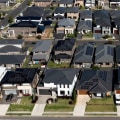
In the journey of buying a house, potential homeowners often find themselves at a crossroads: should they invest in an older home with character and history, or opt for a newer construction that promises modern amenities and energy efficiency? This decision is not merely about aesthetics; it encompasses a range of factors that can significantly impact your lifestyle, finances, and long-term satisfaction. Understanding the nuances of both options is crucial for making an informed choice that aligns with your personal needs and preferences.Older homes often come with unique charm and architectural details that are hard to replicate in new builds. They may be situated in established neighborhoods with mature landscaping and a sense of community that newer developments sometimes lack. However, these homes can also present challenges, such as outdated systems, potential repairs, and the need for renovations to meet contemporary standards.
On the flip side, new homes are typically built with modern materials and techniques, offering advantages like energy efficiency, lower maintenance costs, and compliance with current building codes. Yet, they may lack the distinctive character that many homebuyers cherish.As you navigate the homebuyer decisions, it’s essential to weigh the pros and cons of each option carefully. Consider factors such as your budget, lifestyle preferences, and long-term goals. Are you looking for a move-in-ready home, or are you willing to invest time and resources into renovations? Do you prioritize energy efficiency and modern conveniences over historical charm? By answering these questions, you can better understand which type of home aligns with your vision of the perfect living space.Ultimately, the choice between old and new houses is deeply personal and varies from one buyer to another.
As you embark on this exciting journey of buying a house, take the time to explore both options thoroughly. This exploration will not only help you make a more informed decision but also ensure that your new home truly reflects your lifestyle and aspirations.
The Appeal of Older Homes
When considering the benefits of old houses, one cannot overlook the unique charm and character that these homes often possess. Older homes frequently feature architectural styles that are no longer common in modern construction, such as Victorian, Colonial, or Craftsman designs. These styles often include intricate woodwork, high ceilings, and unique layouts that can make a home feel warm and inviting.Another significant advantage of older homes is the size of the lots they sit on.Many older neighborhoods were developed when land was more abundant, resulting in larger yards and more outdoor space for families to enjoy. This can be particularly appealing for those who value gardening, outdoor activities, or simply having room for children to play.Moreover, older homes often come with a sense of history and community that newer developments may lack. Living in a home with historical significance can provide a connection to the past and a deeper appreciation for the neighborhood's heritage. Many older homes have stories to tell, whether they were once owned by notable figures or have witnessed significant events in local history.In addition to their aesthetic appeal and historical value, older homes can also offer opportunities for customization and renovation.
Homebuyers who enjoy DIY projects may find joy in restoring an older home to its former glory or updating it with modern amenities while preserving its original character. This blend of old and new can create a unique living space that reflects personal style.However, it is essential for potential buyers to approach older homes with a clear understanding of the potential challenges they may face. While many older homes are well-built and have stood the test of time, they may require updates to plumbing, electrical systems, or insulation to meet current safety standards. Conducting thorough inspections before purchasing can help identify any necessary repairs or renovations.In conclusion, the appeal of older homes lies not only in their architectural beauty but also in their larger lots and rich historical context.
For homebuyers willing to invest time and effort into maintaining or renovating these properties, an older home can provide a unique living experience that newer constructions may not offer.
The Advantages of Newer Homes
When considering the purchase of a home, many buyers are drawn to the numerous advantages of newer homes. These properties often come equipped with modern features and benefits that can significantly enhance the living experience.One of the most compelling reasons to opt for a newer home is energy efficiency. Modern construction techniques and materials are designed to minimize energy consumption. For instance, newer homes typically feature:- High-efficiency HVAC systems that use less energy to heat and cool the space.
- Energy-efficient windows that reduce heat loss in winter and keep interiors cool in summer.
- Insulation standards that exceed those of older homes, ensuring better temperature regulation.
Homebuyers can expect to see a reduction in their monthly expenses, making newer homes an attractive financial choice.In addition to energy efficiency, newer homes are built according to modern building codes , which prioritize safety and durability. These codes have evolved to address various concerns, including:
- Structural integrity , ensuring that homes can withstand natural disasters such as earthquakes and hurricanes.
- Fire safety regulations , which include the installation of smoke detectors and fire-resistant materials.
- Environmental considerations , promoting sustainable building practices and materials.
- Smart home technology , allowing homeowners to control lighting, security systems, and climate from their smartphones.
- Open floor plans , which promote a sense of space and facilitate social interaction.
- Updated kitchens and bathrooms , featuring contemporary fixtures and finishes that appeal to today’s buyers.
Cost Considerations: Old vs New
When it comes to buying a house, understanding the financial implications of choosing between an older and a newer home is crucial.The initial purchase price is often the first consideration for homebuyers, but ongoing costs can significantly impact your overall budget.
Initial Purchase Price
Generally, older homes tend to have a lower initial purchase price compared to their newer counterparts. This can be particularly appealing for first-time homebuyers or those on a tighter budget. However, it’s essential to consider that the lower price may reflect the need for repairs or updates. In contrast, newer homes often come with a higher price tag but may include modern amenities and energy-efficient features that can save you money in the long run.
Ongoing Maintenance Costs
Maintenance costs are another critical factor to consider when evaluating old versus new homes.
Older homes may require more frequent repairs due to aging systems and materials. For instance, plumbing, electrical systems, and roofing in older homes might need upgrades or replacements sooner than those in newer constructions. According to the American Housing Survey, homeowners spend an average of 81 cents per square foot annually on electricity; this figure can vary significantly based on the home's age and energy efficiency.On the other hand, newer homes are typically built with modern materials and adhere to current building codes, which can lead to lower maintenance costs over time. Many new homes also come with warranties that cover major systems and appliances for several years, providing peace of mind for buyers.
Renovation Expenses
If you opt for an older home, be prepared for potential renovation expenses.
While you may find a charming property at a lower price point, renovations can quickly add up. Whether it’s updating a kitchen or bathroom or addressing structural issues, these costs can be substantial. It’s advisable to budget for these expenses upfront and consider getting a professional inspection to identify any hidden problems.In contrast, newer homes often require little to no immediate renovations, allowing you to move in and enjoy your space without the stress of extensive remodeling. However, if you prefer customization, you might still want to invest in personal touches that reflect your style.Ultimately, when buying a house, it’s essential to weigh these financial considerations carefully.
Assess your budget not just for the purchase price but also for ongoing maintenance and potential renovation costs. This comprehensive approach will help you make an informed decision that aligns with your financial goals and lifestyle needs.
Hidden Issues in Older Homes
When considering buying a house, particularly an older one, it’s crucial to be aware of the potential hidden issues that may not be immediately visible. While older homes often possess unique charm and character, they can also harbor a range of problems that could lead to significant expenses down the line.One of the most common concerns with older homes is outdated wiring. Many homes built several decades ago may not meet current electrical codes, which can pose safety risks.For instance, older wiring systems may not support modern appliances or technology, leading to frequent circuit overloads. Homebuyers should look for signs of outdated wiring, such as:
- Flickering lights
- Frequent blown fuses
- Warm or discolored outlets
Homebuyers should inquire about the age and condition of the plumbing and consider having a professional inspection to assess:
- Water pressure
- Signs of leaks or water stains
- The presence of lead pipes
Foundation issues
are also prevalent in older homes. Settling and shifting can cause cracks in walls and floors, which may indicate serious structural problems. It’s essential to look for:
- Cracks in the foundation or walls
- Doors and windows that stick or don’t close properly
- Uneven floors
They will evaluate the home’s major systems, including electrical, plumbing, roofing, and foundation integrity.In conclusion, while older homes can offer unique benefits and historical value, they also come with their share of hidden challenges. Being proactive about inspections and understanding the common problems associated with older properties can help homebuyers make informed decisions and avoid unexpected costs in the future.
Modern Safety Standards in New Homes
When considering buying a house, one of the most significant advantages of newer homes is their adherence to modern safety standards and building codes. These regulations are designed to protect homeowners from various hazards that may be present in older properties.Building Codes and Regulations
- New homes are constructed following stringent building codes that have evolved over the years to enhance safety and durability. These codes cover everything from structural integrity to electrical systems, plumbing, and fire safety.
- For instance, modern electrical systems are designed to prevent overloads and short circuits, significantly reducing the risk of electrical fires—a common concern in older homes where wiring may be outdated or improperly installed.
- Additionally, newer homes often incorporate fire-resistant materials and designs that help contain fires and provide safer escape routes.
Health Risks in Older Homes
- Older homes may harbor a variety of health risks due to outdated construction practices.
For example, lead paint was commonly used until it was banned in 1978. Homes built before this time may still contain lead-based paint, posing serious health risks, especially to children.
- Mold and mildew are also prevalent in older properties, often due to poor ventilation and moisture issues. These can lead to respiratory problems and other health concerns.
- Asbestos, once a popular insulation material, is another hazardous substance found in many older homes. Disturbing asbestos can release harmful fibers into the air, leading to severe health issues.
Energy Efficiency and Environmental Safety
In addition to safety from physical hazards, newer homes are often built with energy efficiency in mind. This not only reduces utility costs but also minimizes environmental impact.
Modern insulation techniques and energy-efficient windows help maintain comfortable indoor temperatures while reducing the need for excessive heating or cooling.In summary, when buying a house, opting for a newer home can significantly reduce exposure to various health risks associated with older properties. The combination of modern building codes, improved materials, and energy-efficient designs makes new homes a safer choice for today’s homebuyers.
Making Your Decision: Factors to Consider
When it comes to buying a house, the decision between an older and a newer home can be daunting. Each option has its unique advantages and challenges, making it essential for homebuyers to carefully evaluate their personal preferences and needs. Here are some critical factors to consider when making your choice:- Budget: Determine your financial limits early in the process.
Older homes may come with lower price tags, but they often require more maintenance and repairs, which can add up over time. Newer homes, while typically more expensive, may offer better energy efficiency and fewer immediate repair costs.
- Location: The location of the home can significantly influence your decision. Older homes are often found in established neighborhoods with mature trees and community amenities, while newer homes may be located in developing areas with modern infrastructure but less character.
- Style and Character: Consider what appeals to you aesthetically. Older homes often feature unique architectural details and charm that newer constructions may lack.
If you value character and history, an older home might be more appealing.
- Maintenance and Repairs: Assess your willingness to take on renovation projects. Older homes may require updates to plumbing, electrical systems, or roofing, while newer homes are generally built with modern materials that require less upkeep.
- Energy Efficiency: Newer homes are typically designed with energy efficiency in mind, featuring better insulation, energy-efficient windows, and modern heating and cooling systems. This can lead to significant savings on utility bills over time.
- Number of bedrooms and bathrooms
- Outdoor space or yard size
- Proximity to schools, work, and amenities
- Storage space availability
- Potential for future renovations or expansions
Ultimately, the best choice will align with your lifestyle, budget, and long-term goals as a homeowner.
FAQs About Buying Old vs New Houses
When considering buying a house, many potential homeowners have questions about the differences between old and new houses. Here are some frequently asked questions that can help clarify these uncertainties:- What are the main advantages of buying an old house?
Older homes often come with unique architectural features and charm that newer constructions may lack. They typically have larger lots, established landscaping, and a sense of history that can be appealing to many buyers. Additionally, older homes may be located in more established neighborhoods with mature trees and community amenities. - Are there significant maintenance costs associated with older homes?
Yes, older homes can require more maintenance due to outdated systems and materials.Homebuyers should be prepared for potential repairs related to plumbing, electrical systems, and roofing. However, a thorough home inspection can help identify these issues before purchase.
- What benefits do new homes offer?
Newly built homes are often designed with modern conveniences and energy-efficient features. They typically adhere to current building codes, which means they are less likely to have hazardous materials like lead paint or outdated wiring. Additionally, new homes often come with warranties that cover major repairs for a certain period. - How do energy efficiency and utility costs compare between old and new houses?
New homes generally offer better energy efficiency due to modern insulation techniques, energy-efficient windows, and appliances.This can lead to lower utility bills over time compared to older homes, which may have outdated systems that consume more energy.
- Is it easier to customize an old house or a new house?
While both options can be customized, older homes may require more extensive renovations to achieve the desired layout or style. New homes often allow for customization during the building process, enabling buyers to select finishes and layouts that suit their preferences.
Conclusion: Finding Your Perfect Home
In the journey of buying a house, the decision between an older and a newer home is not merely a matter of preference; it is a reflection of your lifestyle, values, and long-term goals. Each option presents its own set of advantages and challenges that can significantly impact your living experience.As we have explored, older homes often come with unique charm and character, offering spacious lots and established neighborhoods.However, they may also require more maintenance and renovations, which can be both time-consuming and costly. On the other hand, newer homes are typically built with modern conveniences and energy-efficient features, providing peace of mind regarding safety standards and lower utility bills.Ultimately, the choice between an old or new house should align with your personal needs and circumstances. Here are some key considerations to help you make an informed decision:
- Budget: Assess your financial situation carefully. Older homes may have lower purchase prices but could incur higher maintenance costs over time.
Newer homes might come with higher upfront costs but could save you money in the long run through energy efficiency.
- Location: Consider the neighborhoods where these homes are located. Older homes are often found in established areas with mature landscaping and community amenities, while new constructions may be in developing regions.
- Future Plans: Think about your long-term plans. If you envision starting a family or need space for hobbies, ensure that the home you choose can accommodate those changes.
- Personal Preference: Reflect on what appeals to you aesthetically. Do you prefer the historical details of an older home or the sleek lines of modern architecture?
Take your time to evaluate your options, consult with real estate professionals, and trust your instincts. The right choice will not only meet your immediate needs but also provide a foundation for your future.