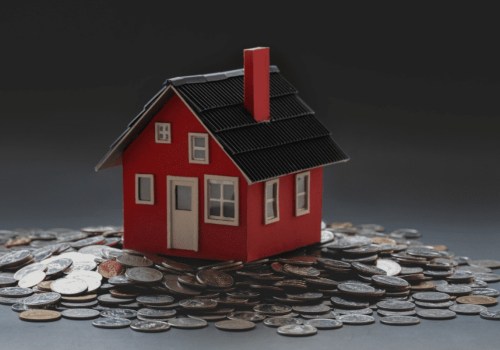
In today’s fast-paced world, the idea of buying a house in your 20s may seem daunting, yet it can be one of the most rewarding decisions you make early in life. As young adults navigate the complexities of adulthood, the prospect of homeownership offers not just a place to live, but a pathway to financial security and stability. With the right planning and foresight, purchasing a home at a young age can set the foundation for a prosperous future.One of the most significant advantages of buying a house in your 20s is the opportunity to build home equity. Unlike renting, where monthly payments contribute to someone else's investment, owning a home allows you to invest in an asset that appreciates over time.
As you pay down your mortgage, you gradually increase your ownership stake in the property, which can serve as a valuable financial resource in the future. This equity can be tapped into for various purposes, such as funding education, starting a business, or even upgrading to a larger home as your needs evolve.Moreover, entering the housing market early can provide you with a competitive edge. Real estate tends to appreciate over time, and by purchasing a home in your 20s, you position yourself to benefit from long-term value increases. This is particularly relevant in areas where housing demand is high and supply is limited.
Additionally, young homeowners often have more flexibility to adapt their living situations as their lives change—whether that means relocating for career opportunities or expanding their family.Ultimately, while buying a house in your 20s requires careful consideration and planning, the potential benefits are substantial. From establishing financial security to creating lasting wealth through home equity , this decision can significantly impact your financial trajectory. As we delve deeper into this topic, we will explore various factors that make homeownership an appealing option for young adults today.
Financial Considerations Before Buying a House
When considering buying a house in your 20s, financial readiness is paramount. This involves a comprehensive understanding of your current financial situation, future goals, and the various costs associated with homeownership.Assessing Your Financial Readiness
Before diving into the housing market, take a moment to evaluate your finances.
This includes reviewing your income, savings, and existing debts. A stable income is crucial, as it will determine your ability to make monthly mortgage payments. Additionally, lenders typically look for a debt-to-income ratio of 43% or lower, meaning your total monthly debts should not exceed 43% of your gross monthly income.
Understanding Down Payments
The down payment is one of the most significant upfront costs when buying a house. Traditionally, a down payment of 20% is recommended to avoid private mortgage insurance (PMI), which can add to your monthly expenses.
However, many first-time homebuyers in their 20s may not have this amount saved. Fortunately, there are options available:
- FHA Loans: These loans allow for down payments as low as 3.5% for qualified buyers.
- Conventional Loans: Some conventional loans offer down payment options as low as 3%.
- State Assistance Programs: Many states offer programs that provide down payment assistance or grants for first-time buyers.
Exploring Mortgage Options
Once you have a grasp on your down payment, it’s essential to explore different mortgage options. The two primary types of mortgages are:
- Fixed-Rate Mortgages: These loans have a constant interest rate and monthly payments that never change over the life of the loan, typically 15 to 30 years.
- Adjustable-Rate Mortgages (ARMs): These loans have interest rates that may change after an initial fixed period, which can lead to lower initial payments but potential increases in the future.
Budgeting for Homeownership
Finally, it’s crucial to budget not just for the mortgage but also for ongoing homeownership costs.
These can include:
- Property Taxes: Vary by location and can significantly impact your monthly budget.
- Homeowners Insurance: Protects your investment and is often required by lenders.
- Maintenance and Repairs: Homes require upkeep; budgeting for unexpected repairs is essential.
- Utilities: Don’t forget about costs for electricity, water, gas, and internet services.
Assessing Your Long-Term Goals and Lifestyle Changes
When considering buying a house in your 20s, it’s crucial to assess your long-term goals and how potential lifestyle changes may influence your decision. Owning a home is not just a financial commitment; it’s also a significant lifestyle choice that can affect various aspects of your life.Understanding Your Long-Term Goals
Before making such a substantial investment, take the time to reflect on your long-term aspirations. Are you planning to advance in your career, or do you foresee a shift in your professional path? If you anticipate relocating for job opportunities or pursuing further education, these factors could impact your ability to stay in one place long enough to justify the purchase of a home.Consider creating a timeline for your career and personal goals. For instance, if you plan to start a family within the next few years, buying a home that accommodates future needs might be wise.
Conversely, if you expect to change jobs frequently or move cities, renting may offer more flexibility.
Evaluating Job Stability
Your job stability plays a pivotal role in determining whether now is the right time for buying a house. A steady income not only helps in securing a mortgage but also ensures that you can manage monthly payments and maintenance costs. If you’re in an entry-level position or working in an industry known for volatility, it might be prudent to wait until you have more job security.Additionally, consider the potential for salary increases or promotions. If you’re confident in your career trajectory and expect financial growth, investing in a home could be beneficial.
However, if your job situation is uncertain, it may be wiser to hold off on purchasing until you have more stability.
Anticipating Lifestyle Changes
Life is unpredictable, especially in your 20s. Major events such as marriage, having children, or even changes in personal relationships can significantly alter your housing needs. For example:
- If you plan to get married soon, consider whether the home you’re looking at will accommodate both partners’ needs.
- If starting a family is on the horizon, think about the number of bedrooms and proximity to schools and parks.
- Be mindful of how lifestyle changes can affect your financial situation; having children often comes with increased expenses.
The Current Housing Market: Opportunities and Challenges
The current housing market presents a unique landscape for young buyers looking to invest in real estate.With fluctuating interest rates, varying home prices, and shifting buyer demand, understanding these dynamics is crucial for making informed decisions.
Current Housing Market Trends
As of late 2023, many regions are experiencing a competitive housing market characterized by low inventory and high demand. This situation often leads to bidding wars, where multiple buyers compete for the same property, driving prices up. According to recent data, home prices have seen an increase of approximately 10% year-over-year in several metropolitan areas, making it essential for young buyers to act quickly when they find a suitable property.Additionally, interest rates have been fluctuating, impacting mortgage affordability. While rates have risen compared to previous years, they remain historically low.
This means that even with higher prices, the overall cost of borrowing can still be manageable for first-time buyers who secure favorable loan terms.
Buying in a Competitive Market
Navigating a competitive market requires strategic planning and preparation. Here are some tips for young buyers:
- Get Pre-Approved: Before you start house hunting, obtain a mortgage pre-approval. This not only gives you a clear idea of your budget but also signals to sellers that you are a serious buyer.
- Be Flexible: In a tight market, being open to different neighborhoods or property types can increase your chances of finding a home that fits your needs.
- Act Quickly: When you find a property that meets your criteria, be prepared to make an offer quickly. Delaying could mean losing out to another buyer.
Real Estate Investment Opportunities
Despite the challenges posed by the current market conditions, there are still significant opportunities for young buyers.
Investing in real estate can provide long-term financial benefits, including:
- Equity Building: Each mortgage payment contributes to building equity in your home, which can be a valuable asset over time.
- Tax Benefits: Homeownership often comes with tax deductions on mortgage interest and property taxes, providing additional financial relief.
- Rental Income Potential: If you purchase a multi-family property or have extra space in your home, renting out part of your property can help offset mortgage costs.
Building Your Credit Score for Home Buying Success
When it comes to buying a house, one of the most critical factors that can influence your success is your credit score. A strong credit score not only enhances your chances of securing a mortgage but can also lead to better interest rates, which can save you thousands over the life of your loan. Understanding the importance of your credit score and taking steps to improve it is essential for any prospective homebuyer, especially those in their 20s.Why Your Credit Score Matters
Your credit score is a numerical representation of your creditworthiness, typically ranging from 300 to 850.
Lenders use this score to assess the risk of lending you money. A higher score indicates that you are a reliable borrower, while a lower score may raise red flags. Here’s how your credit score impacts your mortgage eligibility:
- Loan Approval: Most lenders have minimum credit score requirements. If your score falls below this threshold, you may be denied a mortgage altogether.
- Interest Rates: A higher credit score can qualify you for lower interest rates, which means lower monthly payments and less paid in interest over time.
- Loan Types: Certain loan programs, such as FHA loans, have more lenient credit requirements, but even these often favor borrowers with higher scores.
Steps to Improve Your Credit Score
If you’re looking to boost your credit score before buying a house, consider the following strategies:
- Check Your Credit Report: Obtain free copies of your credit report from the three major bureaus—Equifax, Experian, and TransUnion.
Review them for errors or inaccuracies that could be dragging down your score.
- Pay Bills on Time: Your payment history is one of the most significant factors affecting your credit score. Set up reminders or automatic payments to ensure you never miss a due date.
- Reduce Debt: Aim to lower your credit utilization ratio by paying down existing debts. Ideally, keep this ratio below 30% of your total available credit.
- Avoid New Credit Inquiries: Each time you apply for new credit, a hard inquiry is made on your report, which can temporarily lower your score. Limit new applications as you prepare for homeownership.
- Establish a Credit Mix: Having a variety of credit types—such as revolving accounts (credit cards) and installment loans (car loans)—can positively impact your score if managed responsibly.
This proactive approach not only enhances your chances of obtaining a mortgage but also positions you for better financial health as you embark on the journey of buying a house.
The Process of Buying a House: Step-by-Step Guide
Buying a house is a significant milestone, and understanding the home buying process is crucial for making informed decisions. Here’s a step-by-step guide to help you navigate through this complex journey.1.Assess Your Financial Situation
- Before you start looking for a home, evaluate your finances. Determine your budget by considering your income, savings, and existing debts.
- Check your credit score, as it will impact your mortgage options and interest rates.
- Calculate how much you can afford for a down payment, typically ranging from 3% to 20% of the home price.
2.Get Pre-Approved for a Mortgage
- Contact lenders to get pre-approved for a mortgage. This process involves submitting financial documents and allows you to know how much you can borrow.
- A pre-approval letter strengthens your position when making an offer on a home.
3.Find a Real Estate Agent
- A knowledgeable real estate agent can be invaluable in the home buying process.
They will help you find properties that meet your criteria and guide you through negotiations.
- Choose an agent who understands the local market and has experience working with first-time buyers.
4.Start House Hunting
- With your agent's help, begin searching for homes that fit your budget and preferences. Consider factors like location, size, and amenities.
- Attend open houses and schedule private showings to get a feel for different properties.
5.Make an Offer
- Once you find a home you love, work with your agent to craft a competitive offer based on market analysis.
- Your offer may include contingencies, such as financing or inspection clauses, which protect you during the buying process.
6.Conduct Inspections and Appraisals
- If your offer is accepted, schedule a home inspection to identify any potential issues with the property.
- An appraisal will also be conducted to ensure the home's value aligns with the purchase price.
7.Close the Deal
- The final step is closing, where you'll sign all necessary documents and finalize your mortgage.
- Be prepared to pay closing costs, which typically range from 2% to 5% of the loan amount.
Potential Risks of Buying a House in Your 20s
While buying a house in your 20s can be an exciting venture, it is crucial to recognize the potential risks that come with home ownership at a young age. Understanding these risks can help you make informed decisions and prepare for any challenges that may arise.One of the most significant risks associated with buying a home is the fluctuation of the housing market. Real estate values can vary dramatically based on economic conditions, interest rates, and local market trends.For instance, if you purchase a home during a market peak, there is a possibility that its value could decrease in the following years. This decline could leave you owing more on your mortgage than your home is worth, a situation known as being "underwater" on your mortgage.Additionally, young homeowners may face financial strain due to unexpected expenses. Homeownership comes with various costs beyond the mortgage payment, including property taxes, insurance, maintenance, and repairs. These expenses can add up quickly and may strain your budget, especially if you are still early in your career or have student loans to pay off.
It’s essential to have a financial cushion to cover these costs without jeopardizing your overall financial health.Moreover, life circumstances can change rapidly in your 20s. You might find yourself needing to relocate for a job opportunity or personal reasons. Selling a home can be time-consuming and costly, and if the market is down when you need to sell, you may not recoup your initial investment. This uncertainty can lead to stress and financial loss.In summary, while buying a house in your 20s can offer long-term benefits, it is vital to weigh these potential risks carefully.
By understanding market fluctuations and preparing for financial strains, you can make more informed decisions about whether homeownership is the right choice for you at this stage in your life.
FAQs About Buying a House in Your 20s
When considering buying a house in your 20s, it's natural to have questions. Here are some of the most frequently asked questions that young buyers often encounter:1.Is it a good idea to buy a house in my 20s?
Buying a home in your 20s can be a wise decision if you are financially prepared. It allows you to build equity over time and can serve as a stable investment. However, it’s crucial to assess your personal circumstances, including job stability and future plans.2.What should I consider before buying?
- Financial readiness: Ensure you have a steady income, savings for a down payment, and an understanding of your credit score.
- Market conditions: Research the local housing market to determine if it’s a buyer’s or seller’s market.
- Future plans: Consider how long you plan to stay in the area and whether you might need to relocate for work or personal reasons.
3.How much should I save for a down payment?
A common guideline is to save at least 20% of the home’s purchase price for a down payment.However, many first-time buyers opt for lower down payment options, sometimes as low as 3% to 5%. Just be aware that lower down payments may require private mortgage insurance (PMI).
4.What are the benefits of buying instead of renting?
- Equity building: Monthly mortgage payments contribute to ownership rather than just paying rent.
- Stability: Owning a home can provide more stability compared to renting, especially in fluctuating rental markets.
- Tax benefits: Homeowners may qualify for tax deductions on mortgage interest and property taxes.
5.What if I need to move soon after buying?
If you anticipate needing to move within a few years, consider the potential resale value of the home and the costs associated with selling. It may be beneficial to rent instead if your job or personal life is uncertain.Ultimately, buying a house in your 20s can be an excellent opportunity for financial growth, but it requires careful planning and consideration of your unique situation.Conclusion: Making an Informed Decision About Home Ownership in Your 20s
In conclusion, the decision to buy a house in your 20s is a significant one that requires careful consideration of various factors. Throughout this article, we have explored the potential benefits and challenges associated with home ownership at a young age.It is essential to weigh these aspects against your personal circumstances and long-term goals.One of the primary advantages of purchasing a home early is the opportunity to build equity over time. By making mortgage payments instead of rent, you are investing in an asset that can appreciate in value. This can lead to substantial financial gains in the future, especially if you choose a property in a growing area.However, it is crucial to recognize that home ownership comes with responsibilities and risks. The financial commitment of a mortgage, property taxes, maintenance costs, and potential market fluctuations can impact your budget significantly.
Therefore, conducting a thorough financial assessment is vital before making such a commitment.Additionally, consider your lifestyle and career aspirations. If you anticipate major life changes—such as pursuing further education, relocating for job opportunities, or starting a family—these factors can influence your decision. Flexibility is key; ensure that your choice aligns with your current situation and future plans.Ultimately, buying a house in your 20s can be a smart move if you are financially prepared and have a clear understanding of your goals. Take the time to research the housing market, evaluate your finances, and consult with real estate professionals if necessary.
By making an informed decision, you can set yourself up for long-term success and stability in your financial journey.