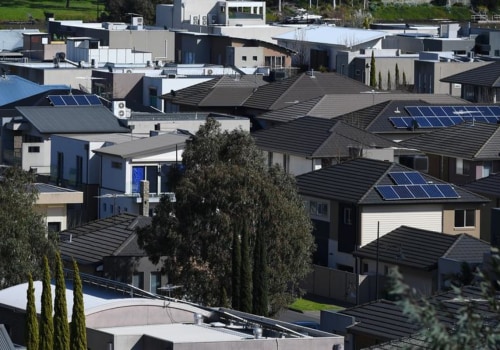
The Australian housing market has been a focal point of discussion among economists, policymakers, and potential homebuyers alike. With soaring prices and increasing demand, many are left wondering if the current state of the market is sustainable or if it is on the brink of becoming overvalued. Recent statistics reveal that Australia ranks as one of the most expensive housing markets globally, trailing only behind Hong Kong and New Zealand. This situation raises critical questions for those considering buying a house in this environment.As of late 2023, the median house price in major Australian cities has reached staggering heights, with Sydney's median house price-to-income ratio hitting an alarming 11.8.This figure is nearly double the threshold that typically signals concern for financial regulators.
Such disparities between income levels and housing prices suggest that many Australians are facing significant challenges when it comes to homeownership. The average cost of a home now equates to more than seven years of average earnings, a stark contrast to the three years seen in the mid-20th century.Moreover, the cost of borrowing money to purchase property in Australia remains high compared to other global markets, despite historically low cash rates. This situation complicates the landscape for potential buyers, as rising interest rates could further exacerbate affordability issues. As we delve deeper into this topic, it becomes essential to explore not only the statistics but also the underlying factors contributing to these trends.
Understanding these dynamics will provide valuable insights for anyone contemplating buying a house in Australia today.
Historical Context of Housing Prices in Australia
The historical context of housing prices in Australia reveals a complex interplay of economic factors, government policies, and societal changes that have shaped the current landscape of the property market. Understanding these trends is crucial for anyone considering buying a house in today’s environment.In the post-World War II era, Australia experienced a significant housing boom. The government initiated various programs to stimulate construction and home ownership, particularly for returning veterans. This period saw a surge in the number of homes built, leading to increased accessibility for many Australians.However, as demand grew, so did prices, setting the stage for future market fluctuations.Throughout the 1980s and 1990s, Australia faced economic challenges, including recessions that impacted housing prices. During these times, property values often stagnated or declined, making it difficult for potential buyers to enter the market. However, by the late 1990s and early 2000s, a combination of low interest rates and strong economic growth reignited demand for housing. This resurgence led to rapid price increases in major cities like Sydney and Melbourne.As we moved into the 21st century, the trend of rising property values continued unabated.
Factors such as urbanization, population growth, and foreign investment contributed to escalating prices. By 2017, Sydney had become one of the most expensive cities globally, with median house prices soaring to levels that alarmed both buyers and regulators alike.Recent studies indicate that the median house price-to-income ratio in Sydney has reached an astonishing 11.8.This figure is nearly double what is considered sustainable by financial authorities. Such statistics raise concerns about affordability and the potential for a housing bubble—a situation where prices are driven up beyond what is justified by economic fundamentals.Moreover, historical data shows that the average price of housing in Australian capital cities now equates to more than seven years of average earnings. This marks a stark contrast to previous decades when homes were more affordable relative to income levels.
The shift from three times average earnings in the 1950s to current figures highlights a significant change in market dynamics.In conclusion, examining the historical trends of housing prices in Australia provides essential insights into current valuations. As potential buyers navigate this challenging landscape, understanding how past events have influenced today’s market can help inform their decisions and strategies for buying a house.
Current Market Analysis: Are Prices Rising Too Fast?
The Australian housing market has been experiencing significant fluctuations in recent years, raising concerns about whether current prices are rising too rapidly. As of late 2023, the median house prices across major cities have surged, with some areas witnessing increases that far exceed historical averages. This rapid escalation prompts a closer examination of the factors driving these price hikes and whether they are sustainable in the long term.In cities like Sydney and Melbourne, the median house price has reached staggering levels, often exceeding $1 million.For instance, Sydney's median house price has been reported at around $1.5 million, which is a stark contrast to the average income levels in the region. This disparity raises questions about affordability and whether potential buyers can realistically enter the market.To understand the current state of the market, it is essential to analyze recent growth rates. According to data from CoreLogic, house prices in Australia increased by approximately 20% over the past year alone. This growth rate is significantly higher than the historical average of around 5-7% per annum.
Such rapid appreciation can be indicative of an overheated market, where prices are driven more by speculation than by fundamental economic factors.Several elements contribute to this phenomenon:
- Low Interest Rates: The Reserve Bank of Australia has maintained low interest rates to stimulate economic growth, making borrowing cheaper for potential homebuyers.
- Increased Demand: A surge in demand for housing, fueled by population growth and a shift towards remote work, has intensified competition among buyers.
- Limited Supply: A shortage of available properties has exacerbated the situation, as new construction has not kept pace with demand.
Understanding these dynamics is crucial for making informed decisions in an increasingly complex housing market.
Factors Contributing to Rising Housing Prices
The Australian housing market has been experiencing a significant surge in prices, driven by a complex interplay of various factors. Understanding these elements is crucial for potential buyers and investors alike, as they navigate the challenging landscape of buying a house.Demand and Supply Dynamics
One of the primary factors influencing housing prices is the basic economic principle of supply and demand. In recent years, Australia has seen a substantial increase in demand for housing, particularly in major cities like Sydney and Melbourne. This demand is fueled by several factors:
- Population Growth: Australia’s population continues to grow, driven by both natural increase and immigration.
This influx of people creates a higher demand for housing.
- Urbanization: As more individuals move to urban areas for job opportunities and lifestyle preferences, the competition for available housing intensifies.
- Low Interest Rates: The Reserve Bank of Australia has maintained low interest rates, making borrowing more affordable. This encourages more buyers to enter the market, further driving up prices.
- Regulatory Barriers: Zoning laws and building regulations can slow down the construction of new homes, creating a bottleneck in supply.
- Land Availability: In desirable locations, suitable land for development is becoming increasingly scarce, which limits new housing projects.
- Construction Costs: Rising costs of materials and labor can deter developers from building new homes, exacerbating the supply shortage.
Economic Influences
The broader economic environment also plays a significant role in shaping housing prices. Factors such as employment rates, wage growth, and overall economic stability directly impact consumers' ability to purchase homes. For instance:
- Employment Rates: Higher employment rates lead to increased consumer confidence and spending power, which can boost demand for housing.
- Wage Growth: As wages rise, individuals are more likely to invest in property, pushing prices higher.
- Government Policies: Initiatives such as first-home buyer grants or tax incentives can stimulate demand but may also contribute to inflated prices if not balanced with adequate supply.
For those considering buying a house, understanding these factors is essential for making informed decisions in an increasingly competitive market.
The Role of Interest Rates in Housing Affordability
The relationship between interest rates and housing affordability in Australia is a critical factor that influences the decision-making process for potential homebuyers. As interest rates fluctuate, they directly impact borrowing costs, which in turn affects the overall demand for housing.When interest rates are low, borrowing becomes more affordable. This scenario encourages more individuals to enter the housing market, as lower mortgage rates mean reduced monthly payments. For instance, a decrease in the cash rate by the Reserve Bank of Australia (RBA) can lead to banks offering lower mortgage rates, making it easier for buyers to finance their homes.Consequently, this surge in demand can drive up property prices, potentially leading to a situation where homes become overvalued.Conversely, when interest rates rise, borrowing costs increase. Higher mortgage rates can deter potential buyers from purchasing homes, as the cost of financing becomes less attractive. This reduction in demand can lead to a cooling of the housing market, stabilizing or even decreasing property prices. For example, if the RBA decides to increase interest rates to combat inflation, prospective buyers may find themselves priced out of the market or forced to reconsider their purchasing power.Moreover, the impact of interest rates on housing affordability is not uniform across all demographics.
First-time homebuyers often feel the pinch more acutely than seasoned investors. Many first-time buyers rely heavily on favorable borrowing conditions to enter the market. As such, rising interest rates can disproportionately affect their ability to secure financing and ultimately purchase a home.In addition to direct borrowing costs, interest rates also influence broader economic conditions that affect housing demand. For instance, higher interest rates can lead to increased unemployment or reduced consumer spending, further dampening demand for housing.
On the other hand, sustained low-interest rates can stimulate economic growth and boost consumer confidence, encouraging more people to consider buying a house.In summary, understanding the role of interest rates is essential for anyone considering buying a house in Australia. The interplay between borrowing costs and housing demand shapes not only individual purchasing decisions but also the overall health of the housing market. As potential buyers navigate these complexities, staying informed about interest rate trends and their implications will be crucial in making sound financial choices.
Comparative Analysis: Australia vs. Global Markets
When examining the housing market in Australia, it is essential to place it within a global context.The Australian real estate landscape has garnered attention for its high prices and rapid growth, but how does it compare to other international markets?In recent years, cities like Hong Kong and New Zealand have consistently ranked as some of the most expensive places to buy property. For instance, Hong Kong's median home price is often cited as being over 20 times the median income, making it one of the least affordable markets globally. In comparison, Australia's major cities, particularly Sydney and Melbourne , have seen their median house prices soar to levels that are alarming to many analysts. Sydney's median house price-to-income ratio stands at approximately 11.8, which is significantly higher than the recommended threshold of 3 to 5 times income for affordability.Moreover, while the cash rate in Australia has remained low at around 1.5%, the cost of borrowing remains relatively high compared to other countries like the United States , where mortgage rates are often more favorable.
This discrepancy can deter potential buyers from entering the market, further exacerbating the affordability crisis.Another critical factor to consider is the investment potential in these markets. In countries like Canada and the UK, foreign investment has played a significant role in driving up property prices. Australia has also seen an influx of foreign buyers, particularly from Asia, which has contributed to rising prices. However, unlike some other markets where foreign ownership is more prevalent, Australia has implemented stricter regulations on foreign investments in residential properties.The global trend towards urbanization also impacts housing markets worldwide.
As more people flock to urban centers for job opportunities and lifestyle benefits, demand for housing increases, leading to higher prices. This trend is evident in Australia as well, where metropolitan areas continue to attract significant populations.In summary, while Australia's housing market exhibits characteristics of overvaluation similar to those seen in other global hotspots, it also faces unique challenges related to affordability and investment regulations. Understanding these dynamics is crucial for anyone considering buying a house in this competitive environment.
Indicators of a Potential Housing Bubble
As the Australian housing market continues to experience significant price increases, it is crucial to identify the indicators that may suggest a potential housing bubble. Understanding these signs can help prospective buyers make informed decisions when buying a house in an increasingly volatile market.One of the primary indicators of a housing bubble is the price-to-income ratio.This metric compares the median house prices to the median household income, providing insight into affordability. In Australia, particularly in major cities like Sydney and Melbourne, this ratio has reached alarming levels. For instance, Sydney's median house price-to-median income ratio stands at approximately 11.8, nearly double the threshold that raises concerns among financial regulators. Such a disparity suggests that homes are becoming increasingly unaffordable for average Australians, which could lead to a correction in prices.Another critical factor to consider is the lending practices employed by financial institutions.
In recent years, there has been a noticeable increase in high-risk lending, including interest-only loans and loans with minimal deposit requirements. These practices can inflate demand and drive prices higher, but they also expose buyers to significant risks. If economic conditions shift or interest rates rise, many homeowners may find themselves unable to meet their mortgage obligations, leading to potential defaults and a subsequent market downturn.Additionally, the rate of investor activity in the housing market serves as another indicator of potential overvaluation. When investors dominate the market, often driven by speculation rather than genuine demand for housing, it can create an unsustainable environment.
In Australia, investor participation has surged, raising concerns that prices are being artificially inflated. If these investors begin to exit the market simultaneously, it could trigger a rapid decline in property values.Lastly, monitoring economic fundamentals , such as employment rates and wage growth, is essential. A disconnect between rising property prices and stagnant wages can signal an impending correction. If wages do not keep pace with housing costs, fewer individuals will be able to afford homes, leading to decreased demand and potential price drops.In summary, recognizing these indicators—price-to-income ratios, lending practices, investor activity, and economic fundamentals—can provide valuable insights into whether Australia's housing market is becoming overvalued.
For those considering buying a house, staying informed about these metrics is vital for making sound investment decisions.
Implications for Home Buyers: Is Now the Right Time to Buy?
As potential home buyers navigate the complexities of the Australian housing market, understanding whether now is the right time to buy a house is crucial. With prices soaring and economic indicators suggesting a potential bubble, buyers must approach their decisions with caution and informed strategies.One of the first considerations for buyers is the current state of interest rates. While Australia has maintained a relatively low cash rate, the cost of borrowing remains higher than in many other countries. This discrepancy can significantly impact monthly mortgage payments and overall affordability.Buyers should assess their financial situation, including their credit score and debt-to-income ratio, to determine how much they can realistically afford.Additionally, timing plays a vital role in real estate investment. The market often experiences seasonal fluctuations, with certain times of the year presenting better opportunities for buyers. For instance, purchasing during the winter months may yield lower prices as competition decreases. Conversely, spring often sees an influx of listings but can also drive prices up due to increased demand.Another critical factor is understanding local market conditions.
Each region in Australia can behave differently; for example, while Sydney may be experiencing rapid price increases, other areas might offer more affordable options. Buyers should conduct thorough research on neighborhoods, including future development plans and local amenities that could influence property values.Moreover, it’s essential for buyers to consider their long-term goals. Are they looking for a starter home or a forever home? Understanding personal objectives can help guide decisions about location, size, and type of property. Investing in real estate should align with one’s lifestyle and financial aspirations.Finally, seeking advice from real estate professionals can provide invaluable insights.
Agents can offer market analysis and help identify properties that meet specific criteria. Additionally, financial advisors can assist in creating a budget that accommodates not just the purchase price but also ongoing costs such as maintenance, insurance, and property taxes.In conclusion, while the Australian housing market presents challenges for buyers, careful planning and informed decision-making can lead to successful home purchases. By considering interest rates, market conditions, personal goals, and professional advice, potential buyers can navigate this complex landscape effectively.
Future Predictions for Australia's Housing Market
As we look ahead, the future of Australia’s housing market remains a topic of intense debate among economists, real estate experts, and potential homebuyers. With the current trends indicating a precarious balance between demand and supply, several factors will play a crucial role in shaping the market's trajectory.Price Predictions
Many analysts predict that house prices in Australia will continue to rise, albeit at a slower pace than in previous years.
The CoreLogic Home Value Index has shown that while there was a significant surge in property values over the past few years, the rate of growth is expected to stabilize. This stabilization is largely attributed to increasing interest rates and tighter lending conditions, which could dampen buyer enthusiasm.Furthermore, the ongoing supply chain issues and labor shortages in the construction sector may hinder new housing developments, keeping demand high relative to supply. As a result, some regions may experience continued price increases, particularly in metropolitan areas where job opportunities are concentrated.
Market Outlook
The outlook for the Australian housing market is mixed. On one hand, low unemployment rates and strong population growth are likely to support housing demand.
On the other hand, rising interest rates could make buying a house less affordable for many Australians. This duality creates uncertainty for potential buyers who are weighing their options.Experts suggest that first-time homebuyers may need to adjust their expectations regarding property types and locations. Areas that were once considered out of reach may become more accessible as buyers seek affordable options outside major urban centers.
Long-Term Considerations
In the long term, the Australian housing market may also be influenced by government policies aimed at improving housing affordability. Initiatives such as increased investment in social housing and incentives for first-time buyers could help alleviate some of the pressures on the market.Ultimately, while predictions can provide insights into potential trends, the dynamic nature of the housing market means that both buyers and investors should remain vigilant and informed about ongoing changes.
Keeping an eye on economic indicators and policy shifts will be essential for anyone considering buying a house in Australia in the coming years.
Conclusion: Navigating the Complexities of Buying a House in Australia
As we conclude our exploration of the Australian housing market, it is essential to recognize the intricate dynamics that influence the decision of buying a house. The data indicates that Australia is experiencing a significant rise in housing prices, raising concerns about potential overvaluation. With median house prices soaring to levels that are increasingly detached from average incomes, prospective buyers must approach the market with caution and informed strategies.Understanding the factors contributing to this trend is crucial. The interplay between supply and demand, interest rates, and economic conditions all play pivotal roles in shaping the housing landscape.For instance, while low interest rates have made borrowing more accessible, they have also fueled demand, leading to higher prices. Additionally, demographic shifts and urbanization continue to drive competition for limited housing stock, particularly in major cities like Sydney and Melbourne.Moreover, the concept of affordability cannot be overlooked. With the median house price-to-income ratio reaching alarming levels, many Australians find themselves priced out of the market. This situation is exacerbated by rising living costs and stagnant wage growth, making it increasingly challenging for first-time buyers to enter the market.In light of these complexities, potential homebuyers should consider several key strategies:
- Research Thoroughly: Stay informed about market trends, local property values, and economic indicators that may affect housing prices.
- Assess Financial Readiness: Evaluate your financial situation carefully, including savings for a deposit and ongoing costs associated with homeownership.
- Explore Alternative Options: Consider different locations or property types that may offer better value for money.
- Consult Professionals: Engage with real estate agents, financial advisors, and mortgage brokers who can provide valuable insights and guidance.
By understanding the current state of the housing market and employing strategic planning, buyers can navigate these challenges more effectively. As we move forward, it is vital to remain vigilant and adaptable in an ever-evolving landscape that continues to shape the future of homeownership in Australia.