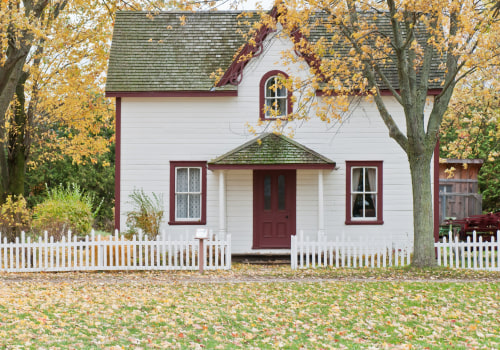
Buying a house is one of the most significant financial decisions you will ever make, and understanding the home buying process is crucial for first-time home buyers. The journey to homeownership can be both exciting and overwhelming, filled with numerous choices and considerations. One of the primary decisions you will face is whether to invest in an older home or a newer one. Each option comes with its own set of advantages and challenges that can impact your lifestyle, finances, and long-term satisfaction.As you embark on this journey, it’s essential to recognize that the characteristics of older and newer homes can significantly influence your experience as a homeowner.
Older homes often exude charm and character, offering unique architectural details that newer constructions may lack. However, they may also require more maintenance and repairs, which can add to your overall costs. On the other hand, newer homes typically come equipped with modern amenities and energy-efficient features that can lead to lower utility bills and reduced maintenance needs.Understanding these differences is vital not only for making an informed decision but also for aligning your choice with your personal preferences and financial situation. Are you looking for a move-in-ready property that requires minimal work, or are you willing to invest time and effort into renovating an older home? By answering these questions, you can better navigate the complexities of the home buying process and find a property that truly meets your needs.In this article, we will delve deeper into the pros and cons of buying an older versus a newer house, providing insights that will help you make a well-rounded decision.
Whether you're a first-time buyer or someone looking to upgrade your living situation, understanding these factors will empower you to choose wisely in your quest for the perfect home.
Pros and Cons of Buying an Older House
When considering buying an older house, it’s essential to weigh the advantages and disadvantages carefully. Older homes often come with a unique charm and character that newer constructions may lack. However, they also present certain challenges that potential buyers should be aware of.Advantages of Older Homes
- Affordability: Generally, older homes are priced lower than their newer counterparts. This can make them an attractive option for first-time buyers or those on a tighter budget.
- Character and Charm: Many older homes feature architectural details and craftsmanship that are hard to find in modern builds.
From intricate moldings to vintage fixtures, these elements can add a unique aesthetic appeal.
- Established Neighborhoods: Older homes are often located in well-established neighborhoods with mature trees, parks, and community amenities. This can enhance the overall living experience.
- Potential for Renovation: Buying an older home provides the opportunity to customize and renovate according to personal taste. Homebuyers can create their dream space while potentially increasing the property’s value.
Disadvantages of Older Homes
- Maintenance Costs: One of the most significant drawbacks of older homes is the potential for higher maintenance costs. Systems such as plumbing, electrical, and HVAC may require updates or replacements, which can be expensive.
- Energy Efficiency: Older homes may not be as energy-efficient as newer ones, leading to higher utility bills.
Insulation, windows, and heating systems may need upgrades to meet modern standards.
- Code Compliance: Many older homes may not comply with current building codes. This could necessitate costly renovations to bring the home up to standard.
- Pest Issues: Older homes can be more susceptible to pest infestations due to wear and tear over the years. Buyers should be prepared for potential pest control measures.
Pros and Cons of Buying a Newer House
When considering buying a house, one of the most significant decisions you'll face is whether to invest in a newer home.Newer houses come with a variety of advantages and disadvantages that can greatly influence your overall satisfaction and financial stability.
Advantages of Newer Homes
- Modern Amenities: Newer homes often feature the latest designs and technologies, including open floor plans, updated kitchens with energy-efficient appliances, and smart home systems. These modern conveniences can enhance your living experience and make daily tasks more manageable.
- Energy Efficiency: One of the most compelling reasons to consider a newer home is its energy efficiency. New construction typically adheres to current building codes that emphasize insulation, energy-efficient windows, and advanced heating and cooling systems. This can lead to significantly lower utility bills over time.
- Less Immediate Maintenance: With a newer home, you are less likely to face immediate repair issues.
Most new homes come with warranties that cover major systems and structural components for several years, providing peace of mind as you settle in.
- Customization Options: Many builders offer customization options for new homes, allowing you to select finishes, layouts, and features that suit your personal style. This can make your new house feel more like a home from the moment you move in.
Disadvantages of Newer Homes
- Higher Purchase Price: One of the most significant drawbacks of buying a newer home is the higher upfront cost. New construction often comes with a premium price tag compared to older homes, which may be more budget-friendly.
- Location Considerations: Newer homes are frequently built in developing areas that may lack established amenities such as schools, parks, and shopping centers. This can affect your lifestyle and convenience until the area matures.
- Potential for Overbuilding: In some markets, there may be an oversupply of new homes, which can lead to decreased property values over time.
It’s essential to research local market trends before making a decision.
- Less Character: While modern designs have their appeal, newer homes may lack the unique architectural details and charm found in older properties. If you value character and history in your living space, this could be a significant downside.
Financial Considerations When Buying a House
When it comes to buying a house, understanding the financial implications is crucial for making an informed decision. Whether you opt for an older or newer home, each choice comes with its own set of financial considerations that can significantly impact your budget and long-term financial health.Budgeting for Your Home Purchase
Before diving into the housing market, it's essential to establish a clear budget.
Start by assessing your current financial situation, including your income, savings, and existing debts. This will help you determine how much you can afford to spend on a home without stretching your finances too thin.Consider the following factors when budgeting:
- Down Payment: Typically, a down payment ranges from 3% to 20% of the home's purchase price. A larger down payment can reduce your monthly mortgage payments and eliminate private mortgage insurance (PMI).
- Closing Costs: These costs can add up to 2% to 5% of the home's price and include fees for inspections, appraisals, and title insurance.
- Ongoing Expenses: Factor in property taxes, homeowners insurance, and maintenance costs. Older homes may require more frequent repairs, while newer homes might have lower maintenance costs initially.
Mortgage Options
Your choice of mortgage can also influence your financial landscape.
There are various types of mortgages available:
- Fixed-Rate Mortgages: These loans have a consistent interest rate throughout the life of the loan, making budgeting easier.
- Adjustable-Rate Mortgages (ARMs): These loans start with a lower interest rate that can change after an initial period. While they may offer lower payments initially, they can become more expensive over time.
- FHA Loans: Backed by the Federal Housing Administration, these loans are designed for low-to-moderate-income buyers and require lower down payments.
Long-Term Financial Planning
When deciding between an older or newer home, consider how each option fits into your long-term financial goals. Newer homes may offer energy efficiency and modern amenities that could save you money on utilities over time. In contrast, older homes might provide opportunities for appreciation and customization but could require more investment in repairs and upgrades.Ultimately, whether you choose an older or newer house, thorough financial planning is essential.
By understanding your budget, exploring mortgage options, and considering long-term implications, you can make a decision that aligns with both your immediate needs and future aspirations.
Location and Community Factors
When it comes to buying a house, the significance of location cannot be overstated. The area where a home is situated plays a crucial role in determining not only the quality of life for its residents but also the long-term value of the property. As you weigh the options between an older or newer home, understanding the nuances of location and community factors can greatly influence your decision.Community Amenities
One of the first aspects to consider is the availability of community amenities. Newer homes are often built in planned communities that feature modern conveniences such as parks, recreational facilities, and shopping centers.
These amenities can enhance your lifestyle and provide a sense of community. In contrast, older homes may be located in established neighborhoods with unique character but fewer modern amenities. However, these areas might offer local shops, historic sites, and a vibrant community culture that newer developments lack.
School Districts
If you have children or plan to in the future, the quality of local schools is another critical factor. Many families prioritize homes in reputable school districts, which can significantly affect property values.
Newer homes are often built in areas with newly developed schools that may boast modern facilities and innovative programs. On the other hand, older homes might be situated near well-established schools with a long history of academic excellence. Researching school ratings and district performance can help you make an informed choice.
Future Development Plans
Another important consideration is potential future development in the area. Local government plans for infrastructure improvements, new commercial developments, or public transportation expansions can impact property values over time.
Newer homes may be part of rapidly growing areas with promising development plans that could increase their value. Conversely, older homes in stable neighborhoods might not see significant changes but could benefit from their established nature and community ties.In summary, when deciding between an older or newer home, take into account how location and community factors align with your lifestyle and long-term goals. A thorough evaluation of amenities, school districts, and future development can provide valuable insights that guide your decision-making process.
Maintenance and Upkeep: What to Expect
When considering buying a house, one of the most critical factors to evaluate is the maintenance and upkeep associated with older versus newer homes. Understanding what to expect in terms of repairs and ongoing costs can significantly influence your decision.Maintenance Costs: A Comparative Overview
Generally, newer homes are designed with modern materials and construction techniques that often require less immediate maintenance.
For instance, many new builds come equipped with energy-efficient appliances, updated plumbing, and electrical systems that are less likely to fail shortly after purchase. This can lead to lower maintenance costs in the initial years of ownership.On the other hand, older homes may present a different scenario. While they often come at a lower purchase price, they can require significant investment in repairs and upgrades. Common issues in older homes include:
- Outdated Electrical Systems: Older wiring may not support modern appliances, leading to potential safety hazards and the need for costly upgrades.
- Plumbing Problems: Aging pipes can lead to leaks or water quality issues, necessitating replacement or extensive repairs.
- Roofing and Structural Integrity: Roofs typically have a lifespan of 20-30 years; if an older home has not had its roof replaced, this could be a significant expense on the horizon.
Upkeep Expectations for Homeowners
Regardless of age, all homes require regular maintenance to ensure they remain safe and functional.
Homeowners should anticipate routine tasks such as:
- Lawn Care: Regular mowing, fertilizing, and landscaping are essential for curb appeal.
- Seasonal Maintenance: Tasks like gutter cleaning, HVAC servicing, and winterizing plumbing systems are crucial for preventing larger issues.
- Interior Upkeep: Painting, flooring updates, and appliance maintenance should be factored into your budget.
Customization and Renovation Potential
When it comes to buying a house, one of the most appealing aspects of older homes is their inherent potential for customization and renovation. Unlike newer constructions, which often come with a set design and limited options for alteration, older homes provide a canvas for creativity and personal expression.Renovating Older Homes
Older homes frequently feature unique architectural details, such as crown molding, hardwood floors, and intricate woodwork that can be preserved or enhanced during renovations.
Homeowners can choose to restore these elements to their former glory or modernize them to fit contemporary tastes. For instance, an outdated kitchen can be transformed into a chef's paradise by incorporating modern appliances while maintaining the home's original charm.Additionally, older homes often come with larger lots, allowing for expansions or outdoor enhancements. Homeowners can consider adding a deck, patio, or even a garden that reflects their personal style. The renovation process not only increases the home’s value but also allows for a deeper connection to the property as homeowners invest time and effort into making it their own.
Customization Options for New Homes
On the other hand, newer homes typically offer a range of customization options at the outset.
Many builders provide buyers with choices regarding floor plans, finishes, and fixtures. This means that you can select everything from countertops to cabinetry before moving in. However, once the home is built, the scope for significant alterations may be limited without incurring substantial costs.For example, while you might be able to paint walls or change light fixtures easily in a new home, major renovations like altering room layouts or expanding spaces can be more complicated due to structural considerations. This limitation can make newer homes feel less personal over time as they may lack the character that comes from years of lived-in experience.
Home Improvement Ideas
If you lean towards an older home, consider focusing on key areas that can yield high returns on investment:
- Kitchens: Updating appliances and cabinetry can significantly enhance functionality and aesthetics.
- Bathrooms: Modernizing fixtures and adding storage solutions can improve comfort and usability.
- Energy Efficiency: Installing new windows or insulation can reduce utility costs while preserving the home's character.
Each option presents unique opportunities that cater to different lifestyles and preferences.
Environmental Considerations: Sustainability in Home Buying
When considering buying a house, environmental factors play a crucial role in the decision-making process. The sustainability of a home not only impacts the planet but also affects your long-term living costs and comfort. Understanding the differences in energy efficiency between newer and older homes can help you make a more informed choice.Newer homes are often built with modern materials and technologies that prioritize energy efficiency. These homes typically feature:- Advanced Insulation: New constructions often utilize superior insulation materials that minimize heat loss in winter and keep homes cooler in summer, leading to reduced energy consumption.
- Energy-Efficient Appliances: Many new homes come equipped with appliances that meet or exceed Energy Star ratings, which can significantly lower utility bills.
- Smart Home Technology: Features such as programmable thermostats and smart lighting systems allow homeowners to optimize energy use, further enhancing efficiency.
However, they also offer opportunities for eco-friendly renovations that can improve their energy efficiency:
- Retrofitting: Homeowners can upgrade insulation, windows, and doors to modern standards, which can dramatically enhance energy performance.
- Solar Panel Installation: Adding solar panels can transform an older home into a sustainable energy source, reducing reliance on fossil fuels and lowering electricity costs.
- Water Conservation Systems: Implementing rainwater harvesting or greywater recycling systems can make older homes more sustainable by reducing water waste.
Frequently Asked Questions About Buying a House
When it comes to buying a house, potential homeowners often have numerous questions that can influence their decision-making process. Here are some of the most frequently asked questions regarding the home buying journey:What is the first step in the home buying process?
The initial step in purchasing a home is to assess your financial situation. This includes checking your credit score, determining your budget, and getting pre-approved for a mortgage.Pre-approval not only gives you a clear idea of how much you can afford but also strengthens your position when making an offer on a property.
How much should I save for a down payment?
Traditionally, a down payment of 20% of the home's purchase price is recommended to avoid private mortgage insurance (PMI). However, many lenders offer options that require as little as 3% to 5%. It's essential to evaluate your financial situation and consider how much you can comfortably save without compromising your other financial goals.What are closing costs, and how much should I expect to pay?
Closing costs are fees associated with finalizing the purchase of a home, typically ranging from 2% to 5% of the loan amount. These costs can include appraisal fees, title insurance, and attorney fees.It's crucial to budget for these expenses in addition to your down payment.
Should I hire a real estate agent?
While it's possible to buy a home without an agent, having a knowledgeable real estate professional can be invaluable. Agents can provide insights into the local market, help negotiate offers, and guide you through the complex paperwork involved in the transaction.What should I look for during a home inspection?
A thorough home inspection is critical before finalizing your purchase. Look for signs of structural damage, plumbing issues, electrical problems, and potential pest infestations. Understanding these factors can help you make an informed decision and negotiate repairs or price adjustments with the seller.What are some tips for first-time buyers?
- Do Your Research: Familiarize yourself with the housing market in your desired area.
- Create a Wish List: Identify must-have features versus nice-to-haves in your future home.
- Be Prepared for Compromise: Understand that you may need to adjust your expectations based on budget constraints.
- Stay Within Your Budget: Avoid stretching your finances too thin; consider all costs associated with homeownership.
Conclusion: Making the Right Choice for You
In conclusion, the decision of whether to invest in an older or newer house is a multifaceted one that hinges on various personal factors.Throughout this article, we have explored the advantages and disadvantages of both options, providing you with a comprehensive understanding to aid in your decision-making process.When considering buying a house , it’s essential to reflect on your financial situation. Newer homes often come with higher price tags but can save you money in the long run due to lower maintenance and utility costs. On the other hand, older homes typically have a more affordable entry point, allowing for potential renovations that can increase their value over time.Your lifestyle preferences also play a crucial role in this decision. If you prioritize modern amenities and minimal upkeep, a newer home may align better with your needs.
Conversely, if you appreciate character and the opportunity to personalize your living space, an older home could be more appealing.Additionally, consider the location and community aspects. Newer developments may offer modern conveniences and planned communities, while older neighborhoods often boast established charm and character. Think about what environment will best suit your lifestyle and future plans.Ultimately, the choice between an older or newer house should reflect your unique circumstances, including your budget, lifestyle preferences, and long-term goals. Take the time to weigh these factors carefully, as this decision will significantly impact your quality of life and financial health for years to come.As you embark on this journey of buying a house , remember that there is no one-size-fits-all answer.
Each option has its merits and challenges; what matters most is finding a home that resonates with you personally. Trust your instincts, do thorough research, and seek professional advice when necessary to ensure that you make the best choice for your future.