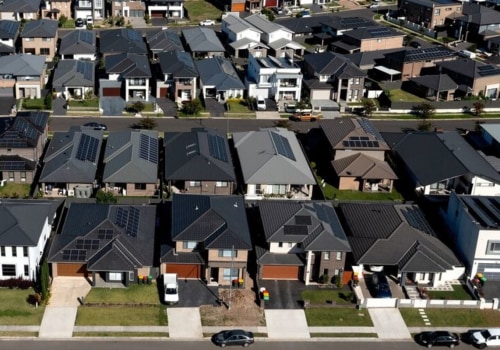
Buying a home is one of the most significant financial decisions you will ever make, and understanding the home buying process is crucial for ensuring a smooth and successful experience. Whether you are a first-time homebuyer or looking to upgrade, navigating the complexities of purchasing a house can be daunting. This guide aims to demystify the steps involved in buying a home, providing you with the knowledge and confidence needed to make informed decisions.The home buying process typically begins with determining your budget and securing financing. It’s essential to assess your financial situation, including your income, savings, and existing debts, to understand how much you can afford.
This initial step sets the foundation for your home search and helps you avoid falling in love with properties that are beyond your means. Once you have a clear budget, obtaining pre-approval for a mortgage can give you an edge in a competitive market, signaling to sellers that you are a serious buyer.Next comes the exciting part: searching for your dream home. This phase involves researching neighborhoods, attending open houses, and working closely with a real estate agent who understands your needs. As you explore various properties, keep in mind the key factors that will influence your decision, such as location, size, and amenities.
It’s also wise to consider future resale value and how the property fits into your long-term plans.Finally, once you find a house that meets your criteria, the process culminates in making an offer, negotiating terms, and completing necessary inspections. Each of these steps is vital in ensuring that you are making a sound investment. By familiarizing yourself with the steps to buy a house , you can approach this journey with clarity and purpose. In the following sections, we will delve deeper into specific factors to consider when buying a home, equipping you with valuable insights to guide your decision-making process.
Factor 1: Location, Location, Location
When it comes to buying a house, the phrase "location, location, location" is often repeated for good reason.The location of a property can significantly influence its value, livability, and your overall satisfaction as a homeowner. Understanding the importance of location is crucial in making an informed decision.One of the primary factors to consider is proximity to your workplace. A shorter commute can save you time and reduce stress, allowing for a better work-life balance. Additionally, consider the availability of public transportation options if you prefer not to drive.
Being close to major highways or transit lines can enhance your accessibility to various parts of the city.Another critical aspect is the quality of local schools. If you have children or plan to in the future, researching school districts should be a priority. Homes located in areas with highly-rated schools often see increased demand, which can lead to higher property values over time. Even if you don’t have children, living near reputable schools can be an attractive feature for future buyers.Amenities also play a significant role in determining the desirability of a location.
Look for neighborhoods that offer convenient access to grocery stores, healthcare facilities, parks, and recreational activities. A vibrant community with various amenities can enhance your lifestyle and provide opportunities for social interaction.Future development plans in the area are another factor worth investigating. Local government websites often provide information on upcoming projects that could affect property values and quality of life. For instance, new infrastructure developments like roads or public transport can improve accessibility and increase demand for homes in that area.When choosing a neighborhood, it’s essential to visit at different times of the day and week.
This will give you a sense of the community vibe and help you assess factors such as noise levels, traffic patterns, and overall safety. Engaging with local residents can also provide valuable insights into what it’s like to live there.In summary, when buying a house, prioritizing location is vital. Consider your daily commute, school quality, available amenities, and future developments to ensure that your new home meets your needs both now and in the future.
Evaluating Neighborhoods: What to Look For
When it comes to buying a house, the neighborhood you choose can significantly impact your quality of life and the long-term value of your investment. Evaluating neighborhoods is a crucial step in the home-buying process, and there are several factors to consider to ensure you make an informed decision.Safety and Crime Rates
One of the first aspects to investigate is the safety of the neighborhood.Start by researching local crime statistics through online resources such as neighborhood watch websites or local police department reports. Pay attention to:
- Types of crimes: Look for patterns in crime types, such as property crimes versus violent crimes.
- Trends over time: A neighborhood with decreasing crime rates may indicate improvements in community safety.
- Community involvement: Areas with active neighborhood watch programs or community policing initiatives often have lower crime rates.
Community Vibe and Amenities
The vibe of a neighborhood can greatly influence your living experience. Spend time walking around the area to get a feel for the community. Consider the following:- Local amenities: Check for nearby parks, grocery stores, schools, and recreational facilities.
Access to these amenities can enhance your lifestyle.
- Cultural aspects: Look for community events, farmers' markets, or local festivals that foster a sense of belonging.
- Demographics: Understanding the demographics can help you gauge whether the neighborhood aligns with your lifestyle preferences, such as family-friendly environments or vibrant nightlife.
Visiting at Different Times
A crucial step in evaluating neighborhoods is visiting at various times throughout the day and week. This allows you to observe:- Traffic patterns: Morning and evening rush hours can reveal how congested the area becomes.
- Noise levels: Different times may showcase varying noise levels from traffic, construction, or nightlife.
- Community activity: Observing how residents interact during different times can provide insight into the neighborhood's friendliness and overall atmosphere.
Factor 2: Financial Readiness and Budgeting
When it comes to buying a house, financial readiness is one of the most critical factors to consider. Understanding your budget and how much house you can afford will not only help you avoid financial strain but also ensure that you make a sound investment.Here are some essential aspects to consider when assessing your financial readiness.
Understanding Your Budget
Before diving into the home-buying process, it’s vital to establish a clear budget. Start by evaluating your current financial situation:- Income: Calculate your total monthly income, including salaries, bonuses, and any additional sources of income.
- Expenses: List all your monthly expenses, such as utilities, groceries, transportation, and entertainment. Don’t forget to include any existing debt payments.
- Savings: Assess your savings for a down payment and closing costs. A larger down payment can reduce your monthly mortgage payments and eliminate private mortgage insurance (PMI).
Calculating How Much House You Can Afford
A common rule of thumb is that your monthly housing costs should not exceed 28% of your gross monthly income.This includes principal, interest, property taxes, and homeowners insurance. Additionally, lenders often use the 43% debt-to-income (DTI) ratio as a guideline for mortgage approval. This means that all your monthly debt payments should not exceed 43% of your gross income.To get a more accurate estimate of how much house you can afford, consider using online mortgage calculators. These tools allow you to input various factors such as loan amount, interest rate, and loan term to see what fits within your budget.
The Importance of Mortgage Pre-Approval
Before you start house hunting, obtaining a mortgage pre-approval is crucial.This process involves a lender reviewing your financial information to determine how much they are willing to lend you. Here’s why pre-approval is beneficial:
- Clear Budget: Knowing the maximum amount you can borrow helps narrow down your home search to properties within your price range.
- Stronger Negotiation Power: Sellers are more likely to take your offer seriously if they see that you are pre-approved for a mortgage.
- Saves Time: With pre-approval in hand, you can focus on homes that fit your budget rather than wasting time on properties that are out of reach.
Understanding Your Debt-to-Income Ratio (DTI)
When it comes to buying a house, understanding your debt-to-income ratio (DTI) is crucial. This financial metric helps lenders assess your ability to manage monthly payments and repay debts.Essentially, your DTI is a comparison of your total monthly debt payments to your gross monthly income, expressed as a percentage. A lower DTI indicates that you have a good balance between debt and income, which can enhance your chances of mortgage approval.To calculate your DTI, follow these simple steps:
- List Your Monthly Debt Payments: Include all recurring debts such as credit card payments, student loans, car loans, and any other obligations.
- Calculate Your Gross Monthly Income: This is your total income before taxes and other deductions. Include all sources of income, such as salary, bonuses, and rental income.
- Divide Your Total Monthly Debt by Your Gross Monthly Income: Multiply the result by 100 to get your DTI percentage.
Here are some effective strategies:
- Pay Down Existing Debt: Focus on reducing high-interest debts first, such as credit cards. This will lower your monthly obligations and improve your DTI.
- Increase Your Income: Consider taking on additional work or negotiating a raise at your current job to boost your gross income.
- Avoid New Debt: Refrain from making large purchases or taking on new loans before applying for a mortgage.
- Create a Budget: Establishing a budget can help you manage expenses better and allocate more funds toward paying down debt.
Factor 3: Home Condition and Inspection
When it comes to buying a house, understanding the condition of the property is paramount. A thorough home inspection can save you from unexpected expenses and headaches down the line. It’s not just about aesthetics; the structural integrity and functionality of a home are critical factors that can influence your decision.Importance of Home Inspection
A home inspection serves as a comprehensive evaluation of the property, identifying potential issues that may not be visible during a casual walkthrough.
This process is essential for several reasons:
- Uncover Hidden Problems: Many issues, such as plumbing leaks, electrical faults, or roof damage, can be hidden from plain sight. A professional inspector has the expertise to identify these problems.
- Negotiation Leverage: If significant issues are discovered, you can use this information to negotiate repairs or a lower purchase price with the seller.
- Future Planning: Knowing the condition of major systems (like HVAC, plumbing, and roofing) allows you to budget for future repairs or replacements.
What to Look for in a Home Inspection
During a home inspection, there are several key areas that should be thoroughly examined:
- Structural Integrity: Inspect the foundation, walls, and roof for any signs of damage or instability.
- Electrical Systems: Ensure that all wiring is up to code and that outlets and fixtures are functioning properly.
- Plumbing: Check for leaks, water pressure issues, and the condition of pipes and fixtures.
- HVAC Systems: Evaluate heating and cooling systems for efficiency and maintenance history.
- Pest Infestation: Look for signs of termites or other pests that could compromise the home’s structure.
Assessing Home Condition Before Buying
Before making an offer on a property, it’s wise to conduct your own preliminary assessment. Walk through the home with a critical eye:
- Look for signs of water damage, such as stains on ceilings or walls.
- Check windows and doors for proper sealing and functionality.
- Assess the overall cleanliness; a well-maintained home often indicates responsible ownership.
Common Issues Found During Home Inspections
When it comes to buying a house, a thorough home inspection is a critical step in the process.It can uncover potential issues that may not be visible during a casual walkthrough. Understanding common problems found during home inspections can help you make informed decisions and negotiate effectively with sellers.
Common Home Inspection Problems
- Roof Issues: One of the most significant concerns is the condition of the roof. Inspectors often find missing shingles, leaks, or signs of wear that could lead to costly repairs down the line.
- Electrical Problems: Outdated wiring, insufficient outlets, or faulty electrical panels can pose safety hazards. These issues may require immediate attention and can be expensive to rectify.
- Plumbing Concerns: Leaky pipes, outdated plumbing systems, or poor water pressure are common red flags.
Inspectors will check for signs of water damage, which can indicate larger plumbing issues.
- Mold and Mildew: The presence of mold can be a serious health risk. Inspectors will look for damp areas, especially in basements and bathrooms, where mold is likely to thrive.
- Foundation Problems: Cracks in the foundation or uneven floors can signal structural issues. These problems can be costly to fix and may affect the overall integrity of the home.
Red Flags in Home Inspections
During an inspection, certain red flags should raise alarms:- Inconsistent Repairs: If you notice that repairs seem rushed or poorly done, it could indicate underlying issues that were not properly addressed.
- Pest Infestations: Signs of pests such as termites or rodents can lead to significant damage if not dealt with promptly.
- Unpermitted Work: Homeowners sometimes make changes without permits. This can lead to complications when selling the home in the future.
How to Handle Inspection Issues
If your inspection reveals problems, it’s essential to approach the situation strategically:- Get Estimates: Before negotiating with the seller, obtain estimates for repairs from licensed professionals.
This information will provide a solid basis for your discussions.
- Negotiate Repairs: You can request that the seller address specific issues before closing or negotiate a price reduction to cover repair costs.
- Consider Walk-Away Options: If significant problems arise that you’re not willing to take on, it may be wise to walk away from the deal altogether.
Additional Considerations When Buying a Home
When buying a house, it’s essential to look beyond the immediate appeal of the property and consider additional factors that can significantly impact your investment over time. Understanding these elements can help you make a more informed decision and ensure that your new home remains a valuable asset in the long run.Future Resale Value
One of the most critical aspects to consider is the future resale value of the home. While you may be purchasing a property for your own enjoyment, it’s wise to think about how its value might change over time.Factors influencing resale value include:
- Location: Homes in desirable neighborhoods tend to appreciate more than those in less sought-after areas. Look for neighborhoods with good schools, low crime rates, and access to amenities.
- Market Trends: Research current real estate trends in the area. Are home prices rising or falling? Understanding the local market can give you insight into potential future values.
- Property Features: Unique features such as energy-efficient appliances, modern renovations, and outdoor spaces can enhance a home’s appeal and resale value.
Potential Renovations
Another important consideration is the potential for renovations. While you may find a home that meets your needs, it’s crucial to evaluate whether it has room for improvement.Consider:
- Renovation Costs: Assess the cost of any necessary repairs or upgrades. A home that requires significant work may not be worth the investment if those costs exceed your budget.
- Market Demand: Certain renovations can increase a home’s value significantly, such as kitchen remodels or adding an extra bathroom. Research what improvements are most sought after in your area.
- Zoning Regulations: Check local zoning laws to understand what modifications are permissible. This knowledge can help you plan future renovations without running into legal issues.
Long-Term Investment Considerations
A home is not just a place to live; it’s also a long-term investment.Consider how your purchase fits into your overall financial strategy:
- Market Stability: Investigate the economic stability of the area. Regions with strong job growth and low unemployment rates tend to have more stable real estate markets.
- Tax Implications: Understand how property taxes will affect your overall cost of ownership. Higher taxes can eat into your budget and impact your long-term investment returns.
- Community Development: Look for signs of community growth, such as new businesses or infrastructure projects. These developments can enhance property values over time.
<strong>Conclusion</strong>
In conclusion, the journey of buying a house is both exciting and complex, requiring careful consideration of several critical factors.As we have explored throughout this guide, three primary elements stand out as essential to making a wise investment: location, financial readiness, and the condition of the home.
Location
is arguably the most significant factor in your home-buying decision. A well-chosen location not only enhances your quality of life but also serves as a safeguard for your investment. Properties in desirable neighborhoods tend to appreciate in value over time, providing you with a solid return on investment. When evaluating potential locations, consider proximity to work, schools, amenities, and public transportation.
Additionally, take the time to visit neighborhoods at various times to gauge their livability and community vibe.Your financial readiness is another crucial aspect that cannot be overlooked. Before diving into the housing market, assess your financial situation thoroughly. This includes understanding your credit score, calculating your debt-to-income ratio, and determining how much you can afford without stretching your budget too thin. Engaging with a mortgage lender early in the process can provide clarity on what you can realistically afford and help you secure pre-approval for a loan.Lastly, the condition of the home plays a vital role in your decision-making process.
A thorough home inspection is essential to uncover any hidden issues that could lead to costly repairs down the line. Pay attention to structural integrity, plumbing, electrical systems, and overall maintenance. Remember that while cosmetic changes can be made over time, significant repairs may require substantial investment and should be factored into your overall budget.By keeping these three factors—location, financial readiness, and home condition—at the forefront of your mind during the home-buying process, you can make informed decisions that align with your long-term goals. Ultimately, taking the time to evaluate these elements will not only enhance your home-buying experience but also ensure that you find a property that meets your needs and stands the test of time.